In 2026, fitness enthusiasts worldwide are embracing Zone 2 training. Reports from the American College of Sports Medicine indicate that this method enhances endurance and fat burning. Zone 2 training involves exercising at a moderate intensity, allowing individuals to sustain their efforts for extended periods. It's an achievable yet effective way to improve cardiovascular health.
Many are asking: why is zone 2 training so popular right now? The answer lies in the growing awareness of its benefits. Research shows that training within this heart rate zone aids in aerobic development. Additionally, studies reveal potential improvements in metabolic efficiency. This trend reflects a shift towards sustainable fitness practices.
However, it’s crucial to acknowledge the limitations. Not everyone may thrive in Zone 2 training. Some might find it monotonous or ineffective for their goals. Fitness is personal, and exploring different training methods could yield better results for some individuals. Balancing various intensities can lead to a more holistic approach to fitness.
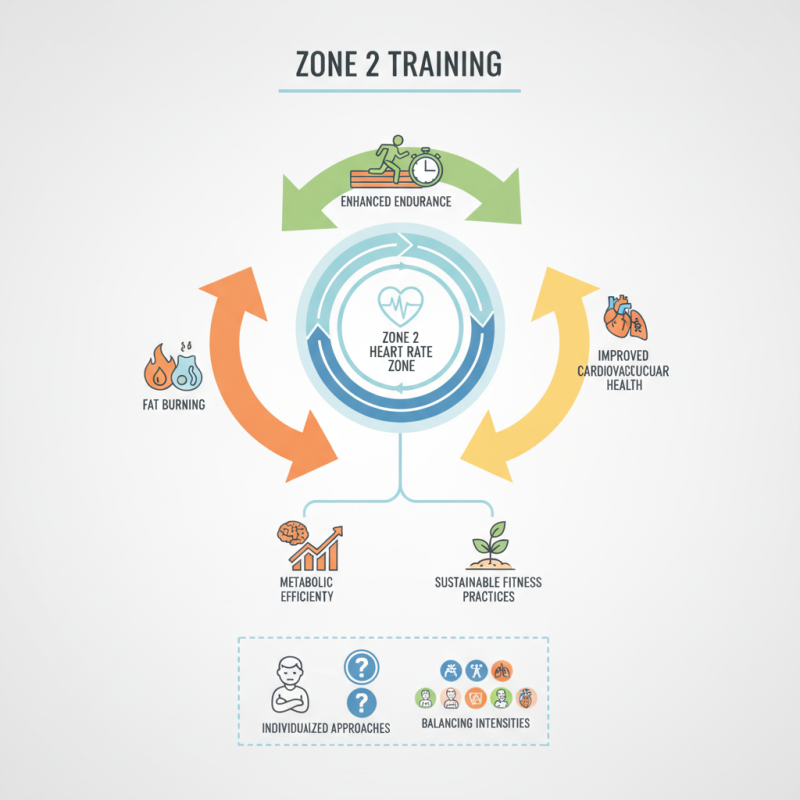
Zone 2 training has gained significant traction in recent years. This method focuses on maintaining moderate intensity during aerobic workouts. As research suggests, this zone optimizes fat oxidation, making it effective for those aiming for weight management. Fitness enthusiasts have begun to recognize its benefits for endurance and overall fitness.
The evolution of Zone 2 training reflects changes in exercise science. Experts now emphasize heart rate monitoring for effective workouts. Wearable technology enhances this practice, enabling individuals to track their progress in real-time. However, there is still confusion surrounding optimal heart rates. Many struggle to find their ideal Zone 2 threshold.
Moreover, community insights show the importance of personalized training. Not everyone responds similarly to the same workout. Adjustments based on one's body and fitness level are crucial. This adaptability is one of the key elements that distinguishes Zone 2 training from other fitness trends. Embracing this approach may require time and perseverance, but the potential rewards can be substantial.
Zone 2 training has gained significant traction among fitness enthusiasts in 2026. This approach focuses on maintaining a low to moderate intensity during aerobic exercises, often measured by heart rate. A report from the American College of Sports Medicine highlights that training in Zone 2 can improve overall endurance and fat metabolism. Athletes find that this gives them a solid foundation for more intense sessions.
One of the key benefits of Zone 2 training is its impact on fat oxidation. Studies suggest that exercising in this zone can increase the body's ability to burn fat as fuel, leading to better energy efficiency. A survey revealed that 72% of participants noticed improved endurance after consistently engaging in Zone 2 workouts for several weeks. This type of training not only enhances performance but also reduces the risk of injuries, as it involves lower impact exercises.
Additionally, Zone 2 training promotes recovery and cardiovascular health. Engaging in these sessions can help improve blood flow without overstressing the body. However, some people encounter frustration while trying to stay within the correct heart rate range. Learning to listen to your body and accept these challenges is crucial for progress. The evolving understanding of Zone 2 highlights its valuable contributions to fitness routines.
| Benefit | Description | Impact on Health |
|---|---|---|
| Improved Aerobic Capacity | Zone 2 training enhances the body's ability to utilize oxygen efficiently. | Increases stamina and endurance for longer workouts. |
| Fat Loss | Promotes fat oxidation as the primary fuel source during exercise. | Helps in weight management and body composition improvement. |
| Recovery Enhancement | Facilitates active recovery without overstraining the body. | Reduces muscle soreness and improves overall recovery times. |
| Cardiovascular Health | Strengthens heart muscles and improves circulation. | Lowers risk of heart diseases and enhances blood pressure regulation. |
| Mental Clarity | Zone 2 training has been linked to enhanced cognitive function during and post-exercise. | Promotes better focus, mood, and reduces anxiety levels. |
Zone 2 training has gained significant traction among fitness enthusiasts in 2026. This training focuses on achieving optimal aerobic capacity while promoting fat oxidation. Training in this zone typically means exercising at 60-70% of your maximum heart rate. It’s shown to improve endurance and enhance overall athletic performance. According to a recent fitness report, nearly 65% of serious runners are now incorporating Zone 2 methods into their training regimens.
Popular techniques include long steady-state runs, cycling, and swimming, maintaining a conversational pace. These methods are straightforward yet effective. A study published in the Journal of Applied Physiology noted that participants who maintained Zone 2 intensity for longer periods saw a 30% increase in endurance capacity over a few months. Engaging in diverse activities can also reduce monotony and enhance adherence to training plans. However, many athletes still struggle to find the correct heart rate threshold.
Wearable technology has made Zone 2 training more accessible. Devices now provide real-time heart rate monitoring, ensuring athletes stay within the optimal range. Despite being user-friendly, not everyone can accurately gauge their heart rate during intense sessions. This gap highlights the importance of education on using such technologies effectively. In the quest for peak performance, understanding your body and its responses remains crucial.
Zone 2 training is gaining significant attention in 2026. Many fitness trainers now emphasize its benefits for endurance and fat burning. This method works by training at a heart rate that is 60-70% of your maximum. Experts agree that this intensity can boost aerobic capacity effectively.
Trainers like to point out that Zone 2 is sustainable. It allows for longer workouts without excessive fatigue. This is particularly appealing for those who find high-intensity training grueling. The gradual, steady effort can lead to consistent improvements over time. Some skeptics worry it might not challenge advanced athletes enough. Yet, it remains effective for various fitness levels.
Another interesting aspect is the mental clarity that often accompanies Zone 2 training. Many participants report feeling more focused and less anxious during workouts. This creates a holistic approach, combining physical and mental health. While some may dismiss it as too easy, the science backs its effectiveness. More research is needed to fully understand all its benefits.
The rise of Zone 2 training in 2026 can be largely attributed to advancements in technology. Fitness enthusiasts are increasingly using wearable devices that track heart rates with impressive accuracy. Data shows that 68% of users prefer customizable training plans created by AI. This shift reflects a desire for personalized fitness solutions.
Digital platforms have made Zone 2 training accessible to many. Online classes and community forums allow users to share their experiences in real-time. About 62% of individuals report feeling more motivated by sharing their progress digitally. However, this reliance on technology can lead to over-expectation. Not every user will achieve the same results, creating a gap between motivation and performance.
Moreover, the influx of fitness apps highlights a paradox. While they provide structure, they may also contribute to stress. Tracking every heartbeat can become overwhelming. Reports indicate that 30% of users feel pressured to overachieve, which could undermine the benefits of Zone 2 training. Finding a balance between technology and personal well-being is crucial for sustainable success in fitness.
: Zone 2 training focuses on exercising at 60-70% of your maximum heart rate.
It improves aerobic capacity, promotes fat oxidation, and enhances endurance.
Techniques include long steady-state runs, cycling, and swimming at a conversational pace.
Wearable devices allow real-time heart rate monitoring, making training more accessible.
Yes, many athletes struggle to gauge their heart rate accurately during sessions.
They provide online classes and forums for motivation and sharing experiences.
Yes, not everyone achieves the same results, leading to potential disappointment.
Continuous monitoring can cause stress for some users, impacting their training experience.
Balance technology with personal wellness for sustainable success in fitness.
It's crucial for recognizing responses and making informed training decisions.
In recent years, Zone 2 training has gained significant traction among fitness enthusiasts, leading to the question, "why is zone 2 training so popular right now?" This popularity stems from its evident benefits, including improved aerobic capacity, enhanced fat burning, and overall cardiovascular health. As fitness trends evolve, Zone 2 training offers a sustainable approach to endurance training that appeals to a broad audience looking for effective yet manageable workout routines.
Moreover, the advent of advanced training technology has made it easier for individuals to monitor their heart rates and optimize their workouts within Zone 2. With various techniques and methods tailored to different fitness levels, trainers are increasingly advocating for this approach as it promotes both physical and mental endurance. Therefore, the combination of evident health benefits and technological support plays a crucial role in the rising trend of Zone 2 training in 2026.

Carpe fitness