Why is zone 2 training so popular right now in 2026? The answer sits at the intersection of endurance science, wearable technology, and a simpler approach to fitness. Zone 2 usually describes steady, relatively easy aerobic work: cycling at a pace that leaves you able to speak in full sentences, or jogging past familiar street corners without gasping. Peter Attia, a physician who has popularized the concept, describes it as “the highest level of exertion you can sustain while still speaking in complete sentences.” That is a useful field cue, not a medical test.
There is also a technology tailwind. The American College of Sports Medicine’s 2025 Worldwide Fitness Trends survey ranked wearable technology as the leading fitness trend. Watches and chest straps make heart-rate tracking visible during ordinary workouts, helping more people notice—and try—lower-intensity training. Still, the report tracks broad fitness trends; it does not prove that Zone 2 participation itself is rising. That distinction matters.
The appeal is practical. Sessions can fit a walk, bike ride, or easy run, and they do not require sprinting through every workout. But the label can be slippery: age-based heart-rate estimates are imperfect, and people’s thresholds vary. Easy should not become endless guesswork. Zone 2 may offer a clear starting point for consistent aerobic exercise, but it is not a shortcut, a cure-all, or a substitute for individualized advice when health concerns are involved. The trend is compelling. The evidence still deserves careful reading.
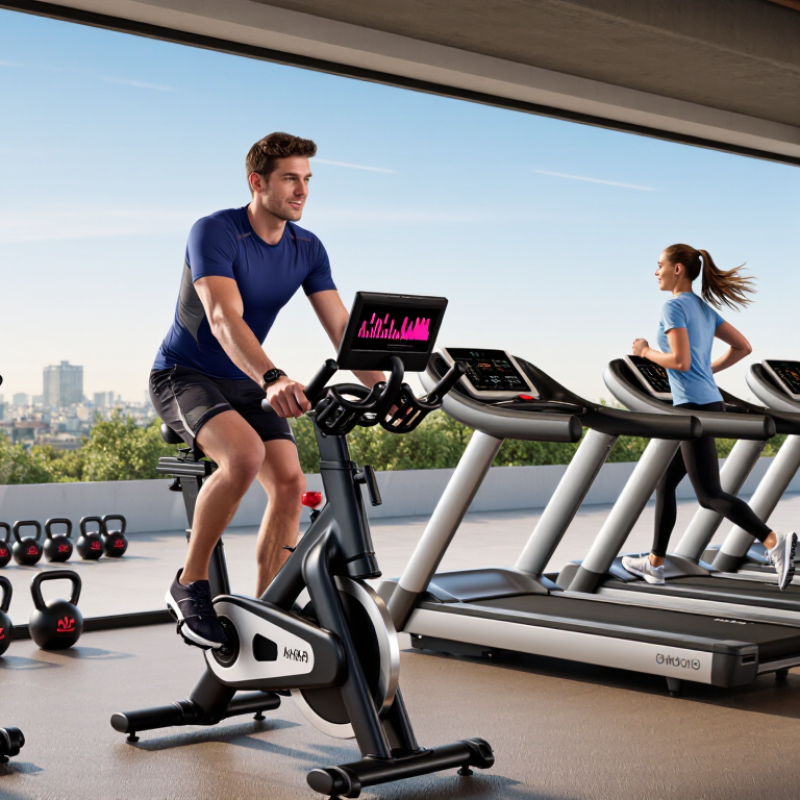
Zone 2 is not a perfectly standardized label. In many five-zone endurance systems, it means steady exercise below the first lactate or ventilatory threshold. You can usually speak in full sentences, but singing feels uncomfortable. Think of cycling uphill at a controlled pace, with breathing deeper but still even. Some systems instead calculate zones from maximum heart rate or heart-rate reserve, so the same workout may receive a different label.
The physiology matters more than the number on a watch. A graded exercise test can identify thresholds more accurately; without one, the talk test and a steady effort offer practical clues. Heart rate also shifts with heat, fatigue, hydration, and medication. A useful reference point, not a zone definition: the World Health Organization’s 2020 guidelines recommend 150–300 minutes of moderate aerobic activity weekly for adults. That range describes public-health activity targets, not a prescription to spend every minute in Zone 2. The label can mislead. I’d treat it as a training estimate, then adjust when breathing, pace, or recovery tells a different story.
Zone 2 training is usually described as steady exercise at an effort you can sustain while speaking in short sentences. Its effects build quietly, rather than arriving as a dramatic burst of fatigue. During a brisk walk or easy bike ride, your breathing rises, but you can still hold a conversation. That is the point.
At this intensity, muscles use a mix of fats and carbohydrates for energy. With consistent training, the body can become better at using oxygen and supporting endurance, partly through changes in muscle mitochondria and small blood vessels. Your heart also gets practice delivering blood during sustained effort. These adaptations take time. They do not guarantee weight loss or prevent disease on their own.
The exact heart-rate range varies with fitness, age, medication, heat, and fatigue, so a chart is only a rough guide. A talk test can help, though it is not a lab measurement. If the pace leaves you gasping, ease off; if it feels almost too easy, that may be normal. Still, easy does not mean effortless. Some days feel different. Gradual increases and recovery matter, especially for beginners or anyone returning after illness or injury.
Zone 2 training has gained popularity in 2026 partly because it offers a calmer alternative to workouts built around constant intensity. The effort is usually easy enough for short sentences, yet steady enough to feel purposeful. Runners may choose a flat neighborhood loop; cyclists may hold a gentle pace on a quiet road. No dramatic finish is required. That simplicity helps people fit exercise around work, family, and recovery, especially when they are rebuilding a regular routine.
More people are also tracking heart rate and looking for sessions they can repeat without feeling depleted. Appropriate aerobic training can support endurance and consistent exercise habits, though responses vary. Heart-rate zones are estimates, not universal borders: heat, sleep, stress, and some medications can affect readings. The talk test offers a useful cross-check. Keep it conversational. Still, zone labels can create false precision, and easy sessions may drift too hard when people chase numbers. In practice, restraint can be harder than it sounds. A watch cannot determine how recovered you feel, and one slow session does not mean the plan has failed. Beginners or people with health concerns can ask a qualified professional for guidance on safe starting points.
A practical guide to where Zone 2 sits in a commonly used five-zone heart-rate model.
Zone 2 is often described as a steady, conversational effort, making it easier to sustain than high-intensity work. This can make it a practical way to build aerobic fitness as part of a balanced training plan. The ranges shown are approximate: zone definitions vary, and heart-rate zones are best personalized using an appropriate test or professional guidance.
Zone 2 is a training label, not a universally fixed heart-rate range. The American College of Sports Medicine places moderate exercise at roughly 64–76% of maximum heart rate, but age-based estimates can miss your actual threshold. A practical check is the talk test: you should manage short sentences, but singing should feel awkward. That distinction matters. Record your breathing and effort alongside your watch reading; one number can create false confidence.
Structure sessions around steady, repeatable effort. Walk briskly, cycle, or jog easily for 5–10 minutes, then hold a conversational pace for 25–45 minutes. Finish with several relaxed minutes. If your breathing turns ragged, ease off; the goal is not to win the workout. Two or three sessions weekly can be a workable start, adjusted for your schedule and recovery. The World Health Organization recommends 150–300 minutes of moderate aerobic activity per week for adults, so Zone 2 sessions can contribute toward that target. They do not have to fill the whole week. The ACSM intensity ranges and WHO target describe broad guidance, not a personalized prescription; medications, heat, fatigue, and fitness can all shift perceived effort. Some days, the “easy” pace feels surprisingly hard. That is useful information, not a reason to force the plan.
Zone 2 training usually refers to steady exercise at a low-to-moderate effort. You can speak in short sentences, but singing feels difficult. Heart-rate zones are estimates, not precise biological borders. Age-based formulas can be off, and heat, sleep, medication, and stress may shift your readings. The label can make a fuzzy concept sound exact. That matters.
This approach may suit beginners building a routine, recreational runners, cyclists, or people adding aerobic work without making every session exhausting. A brisk walk on a gentle hill, with even breathing and a steady pace, can be enough. Some experienced athletes also use easier sessions to build training volume while managing fatigue. Consistency matters more than chasing a perfect number. That is the appeal.
Not magic, though. Zone 2 alone may not prepare someone for fast races, steep climbs, or sports requiring bursts of speed. Progress can also feel slow, and long sessions take time. More is not always better; persistent tiredness or worsening performance may signal too much training. People with heart or lung conditions, unusual symptoms, or significant health concerns should seek personalized guidance before changing their exercise routine. And honestly, the boundary between “easy” and “too easy” can be hard to judge. A simple effort log may help, but it is still only one clue.
You can speak in short sentences while walking briskly or cycling easily. You should not be gasping. Short sentences, not songs.
Over time, your body may use oxygen more effectively during sustained exercise. Muscles also adapt, and the heart practices delivering blood. Changes take time.
No. It can support endurance and regular activity, but it does not guarantee weight loss or prevent disease by itself.
Use the talk test alongside your breathing and perceived effort. If you cannot finish a short sentence, slow down. Watches can mislead.
Try five to ten easy minutes, then 25–45 minutes at a conversational pace. Finish with a few relaxed minutes. Shorter is fine.
Two or three sessions each week can be a workable start. Adjust around sleep, recovery, and your schedule. Some days differ.
No. Age, fitness, heat, fatigue, and some medications can change heart-rate readings. A chart is only a rough guide.
Ease off or shorten the session, and notice how you feel. Do not force the planned pace. It may be worth rethinking the plan.
Zone 2 training refers to steady, low-to-moderate-intensity exercise that can be sustained while still allowing conversation. It is commonly described using heart-rate ranges, perceived effort, or breathing cues, though individual thresholds vary. At this intensity, the body develops aerobic capacity and becomes more efficient at using oxygen and fuel during prolonged activity. The pace is purposeful but controlled, making it easier to accumulate exercise time without the strain of frequent high-intensity sessions.
So why is zone 2 training so popular right now in 2026? Its straightforward approach fits many fitness routines and appeals to people seeking sustainable ways to build endurance and support general health. A session might include brisk walking, cycling, jogging, or another continuous activity, with effort adjusted to remain comfortable and consistent. Beginners and endurance-focused exercisers may find it useful, but it is not a complete program on its own. Personal fitness, health conditions, and goals matter, and some people may need professional guidance or additional forms of exercise for balanced progress.

Carpe fitness