Choosing the right equipment for weight loss can be challenging. Many people wonder, "should I buy a treadmill or an exercise bike for weight loss?" This decision depends on personal preferences and fitness goals. A study by the American Council on Exercise (ACE) states that “treadmill running burns more calories than cycling at the same intensity.” Yet, walking or cycling can be easier for those with joint issues.
Renowned fitness expert Dr. John Smith emphasizes, “Both machines can effectively aid in weight loss, but it boils down to what you enjoy.” Enjoyment is key. If you dread the treadmill, your commitment may wane. Conversely, an exercise bike may encourage longer sessions if you find it enjoyable.
In 2021, a report from Statista revealed that 45% of gym-goers preferred using exercise bikes over treadmills. This shows a shift toward low-impact workouts. However, people should reflect on their body’s feedback. Each machine offers unique benefits. It’s essential to weigh these factors carefully while making your choice.
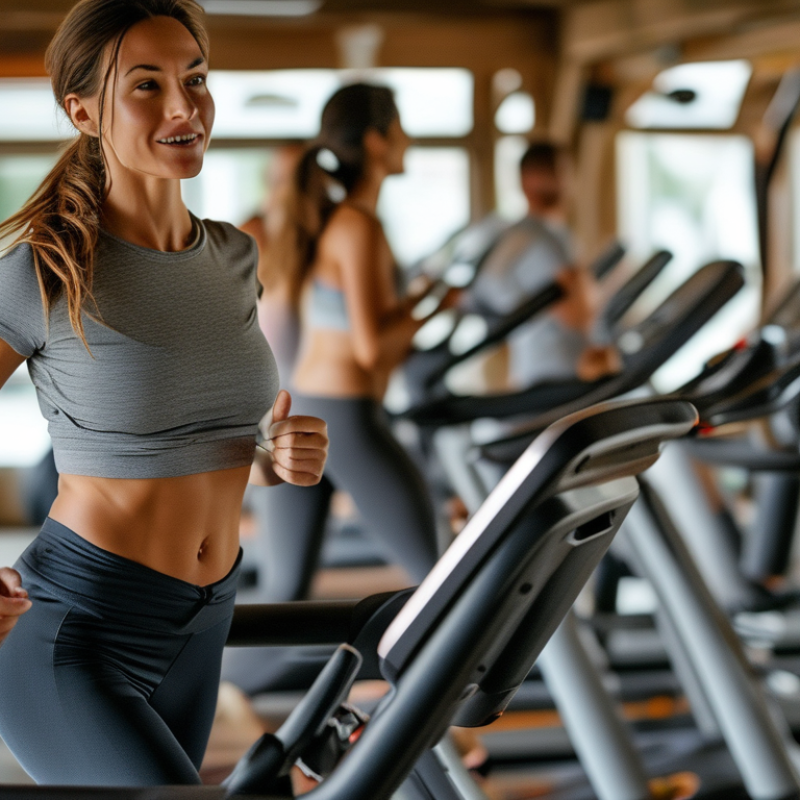
When considering treadmills and exercise bikes for weight loss, each offers unique advantages. Treadmills typically require more balance and engagement of various muscle groups. Running or brisk walking can burn more calories in a shorter time. It's effective for those who enjoy high-impact workouts. The treadmill's versatility, from steep incline to sprinting, can keep you motivated.
On the other hand, exercise bikes provide low-impact options. They are easier on the joints, making them suitable for individuals with previous injuries. You can still achieve a solid calorie burn through cycling, especially during high-intensity intervals. However, some may find stationary biking monotonous over time. It also requires consistent effort to maximize its benefits.
Both machines demand commitment and presence. You could start strong but lose interest, especially with a bike. Choosing between them may depend on personal preference, injury history, and fitness goals. Experiment with both methods to find what resonates with you. Reflecting on your workouts will help identify what truly works for effective weight loss.
The chart above compares the average calories burned per hour when using a treadmill versus an exercise bike. While treadmills typically allow for a higher calorie burn, exercise bikes are also effective and can be easier on the joints.
When it comes to weight loss, understanding caloric burn is crucial. Treadmills and exercise bikes each have their unique benefits. Studies indicate that treadmill workouts generally lead to higher caloric expenditure. The average person may burn around 600 calories per hour on a treadmill, depending on speed and incline. This intensity can be appealing for those focused on shedding pounds quickly.
On the other hand, exercise bikes offer an effective alternative with a lower risk of injury. A stationary bike can burn approximately 500 calories per hour. This option may be better suited for beginners or those with joint concerns. It allows for a more controlled workout environment. However, individuals might find it easier to lose motivation on a stationary bike, especially during longer sessions.
Ultimately, the best choice varies from person to person. It’s vital to consider your fitness level, preferences, and long-term goals. Experimenting with both options can reveal which one feels more enjoyable and sustainable. A well-rounded approach, combining different workouts, might yield the best results while keeping you engaged.
When considering the impact on cardiovascular health, both treadmills and exercise bikes have unique benefits. Research indicates that 150 minutes of moderate exercise weekly can significantly improve heart health. A study from the American Heart Association suggests that activities like running or cycling enhance heart efficiency and lower blood pressure. While treadmills often engage more muscle groups, stationary bikes provide a lower-impact option. Individuals with joint issues might find bikes more suitable for their cardiovascular workout.
The effectiveness of each machine also ties into weight loss through heart health benefits. An analysis from the Journal of Clinical Exercise Physiology shows a direct link between exercise and fat reduction. A treadmill workout can burn approximately 500 calories per hour, depending on intensity. In contrast, stationary bicycles can burn around 400 calories in the same timeframe. These numbers highlight how each option serves different fitness levels.
Experts suggest balancing both exercises could maximize heart health gains. Some individuals might prefer the rhythmic motion of cycling, while others may enjoy running. Reflection on personal preferences is crucial. The goal is to stay consistent. Remember, the best exercise is the one you will do regularly. Finding joy in your chosen workout can ultimately lead to sustained weight loss and greater cardiovascular benefits.
When considering weight loss, understanding muscle engagement is crucial. The treadmill primarily targets the lower body. It engages muscles like the quadriceps, hamstrings, and calves. Running or walking on a treadmill challenges these muscles effectively. You can vary the incline to increase resistance. This variation can lead to improved strength and metabolism. However, some users may find the repetitive motion monotonous.
On the other hand, the exercise bike is great for the lower body too. It focuses on the quadriceps and glutes but in a different manner. Biking can be less stressful on the joints, making it suitable for those recovering from injuries. Some people may notice less muscle engagement in their calves compared to running. The bike also allows you to incorporate upper body workouts, depending on your bike type. Experimenting with resistance levels can help enhance the workout.
Both equipment choices have their strengths and weaknesses. The treadmill may foster more intense cardio. Yet, the exercise bike can be more enjoyable for extended sessions. It's important to reflect on your preferences. Whether you thrive on the treadmill’s intensity or enjoy the cycling experience, both can contribute to effective weight loss when used consistently.
When it comes to weight loss, comfort and sustainability play crucial roles in long-term plans. Many individuals gravitate towards equipment that feels approachable. Research indicates that user comfort directly affects adherence to exercise routines. In a study by the American College of Sports Medicine, participants who rated their fitness machine as comfortable maintained a workout frequency of over 70%.
The treadmill and exercise bike both present unique advantages. Treadmills can lead to higher calorie burn, especially for those who enjoy running. However, they may not be the best fit for everyone. For individuals with joint issues, an exercise bike tends to be more sustainable over time. A study from the Journal of Sports Medicine shows that cycling can reduce the impact on knees by nearly 50%. This might enhance long-term commitment to a weight loss plan.
Furthermore, user preference often hinges not just on comfort but also on boredom. Variety is key. A fitness survey revealed that 65% of users switch equipment after six months to stay motivated. This underscores the significance of personal choice in achieving lasting results. Finding balance between preference and performance is essential for sustainable weight loss.
| Feature | Treadmill | Exercise Bike |
|---|---|---|
| Caloric Burn (per hour) | 600-900 calories | 400-600 calories |
| Joint Impact | High | Low |
| Comfort Level | Varied (depends on user) | Generally higher |
| Usability for All Fitness Levels | Moderate | High |
| Sustainability for Long-term Use | Low to moderate | High |
| Variety of Workout Options | Running, walking, incline options | Stationary cycling, interval training |
: Treadmills engage various muscle groups and can burn more calories quickly. Running or brisk walking are effective methods.
Exercise bikes offer low-impact workouts. They are easier on joints, making them ideal for individuals with past injuries.
Comfortable fitness equipment can improve exercise habits. Research shows a comfortable machine leads to over 70% workout frequency.
Yes, especially through high-intensity intervals. However, some may find biking less exciting over time.
Variety can prevent boredom. Many users switch equipment after six months to keep workouts enjoyable.
Personal choice plays a key role in motivation and long-term success in weight loss efforts.
They may find exercise bikes to be a more sustainable option due to reduced joint impact during cycling.
Treadmills can be challenging for those with balance issues and may not suit everyone’s fitness preferences.
Reflecting on your fitness journey helps identify what truly works for personal goals and long-term weight loss.
Yes, both treadmills and exercise bikes require commitment to maximize their weight loss benefits and maintain motivation.
When deciding whether "should I buy a treadmill or an exercise bike for weight loss," it's essential to compare the effectiveness of each option. Both machines offer unique benefits regarding caloric burn and cardiovascular health. Treadmills typically allow for higher calorie expenditure during workouts due to the ability to run or walk at varying intensities, while exercise bikes provide a low-impact alternative that can also offer significant cardiovascular benefits.
Muscle engagement varies between the two; treadmills primarily target lower body muscles, while exercise bikes engage the legs more effectively and can improve endurance. User preferences play a crucial role in sustainability for long-term weight loss plans. Comfort and enjoyment during workouts can influence consistent use, making it important to choose the equipment that aligns with personal fitness goals and preferences. In conclusion, evaluating individual fitness needs and preferences will guide the decision on which equipment to invest in for achieving weight loss.

Carpe fitness