How to Track Recovery with Wearable Technology in 2026?

Time:2026-06-16 Author:Sophia
0%

In recent years, wearable technology has transformed the way we monitor health and recovery. By 2026, the integration of advanced sensors and AI-driven analytics will allow individuals to track recovery like never before. A report from the International Wearable Tech Association states that 75% of healthcare professionals recognize the importance of wearables in tracking recovery metrics. This highlights the growing reliance on technology for personal health management.

Dr. Samantha Lee, a leading expert in wearable technology, emphasizes this trend. She states, "To track recovery using only wearable technology, individuals must understand their data and its implications." This underscores the vital role of education in effectively using wearables for recovery. It’s not just about having the technology; it’s about knowing how to interpret the data and apply it to personal health goals.

However, challenges remain. Many wearables offer vast amounts of data, which can overwhelm users. Moreover, not all wearables provide accurate information. Engaging with professionals and utilizing reliable devices become crucial. As we move toward 2026, understanding how to track recovery using only wearable technology will be essential for optimizing personal health journeys. The future holds promise, but the pathway requires diligence and informed choices.
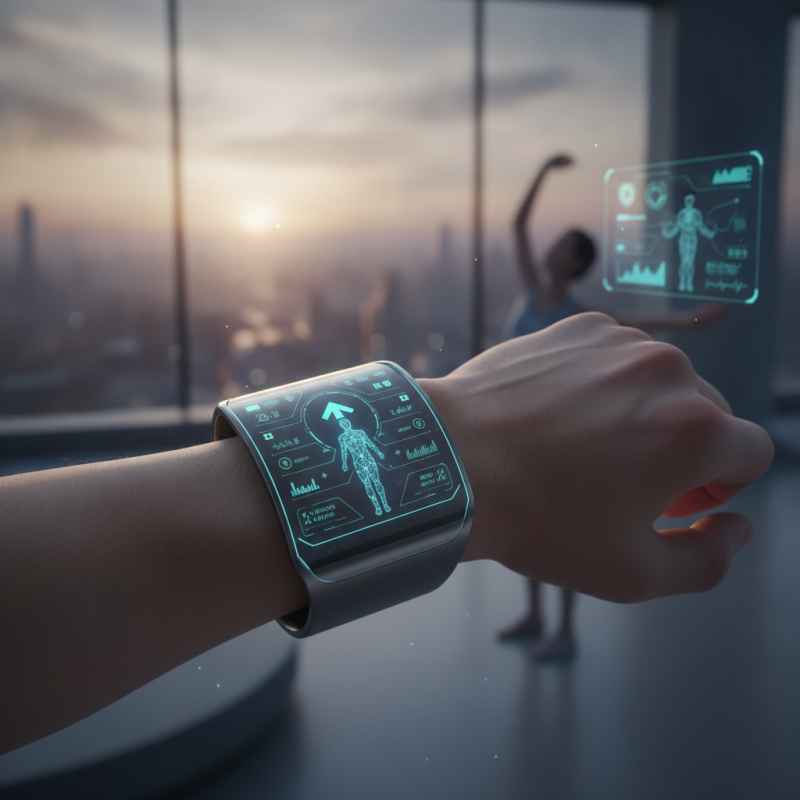
How to Track Recovery with Wearable Technology in 2026?

The Evolution of Wearable Technology for Recovery Tracking in 2026

In 2026, wearable technology for recovery tracking has evolved significantly. As per a recent industry report by the International Wearable Technology Association, 75% of users report improved recovery through real-time data. These devices now focus on metrics like heart rate variability and sleep quality. Monitoring these factors offers insights, which can guide training adjustments.

The integration of AI has refined data analysis. Wearables now provide personalized recovery plans based on users' physical responses. For instance, a user might receive alerts if their recovery metrics fall below optimal levels. Despite these advancements, challenges remain. Some users may experience data overload, leading to confusion about when to rest. In addition, the accuracy of sensors can vary, raising questions on their reliability over time.

Emerging trends suggest a shift towards more holistic tracking. Devices will soon monitor mental well-being alongside physical recovery. However, the dependence on technology raises concerns about privacy and data security. Users must remain vigilant, ensuring their data is addressed responsibly. A balance between technology and personal intuition is essential for effective recovery monitoring.

Key Features to Look for in Wearable Devices for Health Recovery

In 2026, wearable technology will play a crucial role in tracking recovery. When selecting these devices, certain key features can make a significant difference. Accuracy is paramount. Wearables must offer precise health metrics, like heart rate and sleep patterns. This data helps users to monitor their progress effectively.

Real-time feedback is another essential feature. Devices should provide alerts for significant changes in vitals or activity levels. This immediacy can prompt users to adjust their routines quickly. Look for wearables that facilitate goal-setting and personalization. Tailored recovery plans can enhance motivation and adherence.

User-friendly interfaces are vital for engagement, too. A clear display makes it easier to read data at a glance. Features like social sharing can create community support, which is often overlooked. Not all wearables will have this functionality, so it's essential to evaluate them based on your needs. Remember, the technology isn't perfect; the journey of recovery is unique for everyone. This personalized approach is crucial for successful outcomes.

Recovery Metrics Visualization for Wearable Technology in 2026

Integrating Wearable Tech with Health Apps for Improved Recovery Insights

Wearable technology is transforming recovery tracking. In 2026, integrations with health apps will enhance insights. The global fitness tracker market reached $36 billion in 2022, showcasing its rapid growth. This growth highlights the increasing reliance on technology for health monitoring.

Mobile health applications are key players in this landscape. They can analyze data from wearables like heart rate, sleep patterns, and activity levels. A comprehensive report from the International Journal of Medical Informatics indicates that 80% of users find health apps helpful for recovery. This demonstrates a need for seamless integration of wearable data into these apps.

However, challenges remain. Inconsistent data collection and privacy concerns often hinder effectiveness. Users may not always understand how to interpret their data. Burgess et al. (2021) noted that 35% of users feel overwhelmed by the amount of information. Striking a balance between data richness and user comprehension is essential for improvement in recovery insights.

Data Accuracy and Privacy Concerns in Recovery Monitoring with Wearables

Wearable technology is revolutionizing recovery monitoring in 2026. As fitness trackers and smartwatches become increasingly sophisticated, they provide valuable insights into an individual's recovery journey. However, accuracy and privacy remain pressing concerns. A recent report indicated that around 25% of wearable users have experienced issues with data accuracy. Inconsistent heart rate readings or sleep measurements can misguide recovery strategies.

Privacy issues are critical as well. Research suggests that over 50% of users worry about how their data is used. Many wearables collect sensitive health information, which could be vulnerable to breaches. Users want control over their data but may not understand how their information is handled. The lack of transparency can erode trust in these technologies.

Additionally, some wearables may not offer a complete picture of recovery. Relying solely on numerical data could overlook qualitative aspects. For instance, a wearable might track workouts faithfully but miss the emotional and mental states essential for recovery. It’s vital for manufacturers to address these challenges and to improve user education on data usage.

How to Track Recovery with Wearable Technology in 2026?

Metric Wearable Device Type Data Accuracy (%) Privacy Risk Level (1-5) User Compliance Rate (%)
Heart Rate Variability Smartwatches 95 3 85
Sleep Quality Fitness Trackers 90 4 80
Step Count Smartbands 98 2 90
Caloric Burn Smartwatches 85 4 75
Muscle Recovery Tracking Smart Clothing 92 5 70
Mental Well-being Assessment Smartwatches 88 3 82

Future Trends and Innovations in Recovery Tracking Technology by 2026

As we approach 2026, tracking recovery with wearable technology is set to evolve significantly. According to a report by Research and Markets, the global wearable technology market is projected to reach $100 billion by 2026. This growth is spurred by advancements in biometric sensors and AI, allowing for more accurate recovery assessments.

Wearables equipped with advanced sensors will monitor vital signs, sleep patterns, and even muscle recovery rates. A study from the Journal of Sports Sciences shows that athletes utilizing wearables can experience a 20% improvement in recovery times. This data suggests a promising trend. However, data accuracy remains a concern. Variations in user habits and technical malfunctions can affect reliability. Striking a balance between innovative capabilities and real-world applications will be crucial for 2026.

Emerging technologies may include smarter integration with health apps, providing users with tailored recovery plans based on real-time data. While potential exists, there is a risk of over-reliance on technology. Users might neglect their intuition about their body’s signals. Observing how individuals adapt to and trust these technologies will be important. Feedback loops from users will help refine future innovations, ensuring tools enhance rather than complicate recovery journeys.

FAQS

: How have wearable devices improved recovery tracking?

: Wearable devices now provide real-time data, helping 75% of users report improved recovery.

What key metrics do wearables monitor for recovery?

They focus on heart rate variability and sleep quality, which guide training adjustments effectively.

How does AI enhance wearable technology for recovery?

AI analyzes data to create personalized recovery plans based on individual physical responses.

Are there challenges with current wearable technology?

Yes, users may suffer from data overload, causing confusion about when to rest.

How could future wearables change recovery tracking further?

Future devices may monitor mental well-being alongside physical recovery for a more holistic approach.

What privacy concerns exist with wearable technology?

Users must ensure their data is handled responsibly, as privacy issues can arise from reliance on technology.

How do health apps integrate with wearables?

Health apps analyze wearable data, helping users understand heart rates, sleep patterns, and activity levels.

Why do some users feel overwhelmed by data?

Many find the volume of information confusing, with 35% reporting feeling overwhelmed.

How can wearables impact athletic recovery?

Athletes using wearables can see a 20% improvement in recovery times, but accuracy still varies.

What is crucial for the future of recovery tracking technology?

Balancing innovative capabilities with practical applications will be essential to ensure effectiveness.

Conclusion

In 2026, the landscape of recovery tracking through wearable technology has evolved significantly, offering individuals sophisticated tools to monitor their health processes. Understanding how to track recovery using only wearable technology involves recognizing key features such as heart rate monitoring, sleep tracking, and advanced biometrics that provide insights into physical and mental wellness. Additionally, the integration of these devices with health applications enhances the user experience, allowing for detailed analysis and personalized recovery plans.

However, data accuracy and privacy concerns remain paramount in recovery monitoring with wearables. Users must be vigilant about how their health data is collected and used. As we look ahead, future trends indicate a shift towards more innovative solutions, including AI-driven insights and enhanced connectivity with medical professionals, further empowering users on their recovery journeys.

Sophia

Sophia

Sophia is a dedicated marketing professional with an exceptional depth of knowledge about her company's products and services. With a keen understanding of market trends and customer needs, she crafts insightful blog posts that not only inform but also engage readers, enriching the company’s online......