How to Store Weights to Protect Your Floor Effectively?

Time:2026-06-01 Author:Oliver
0%

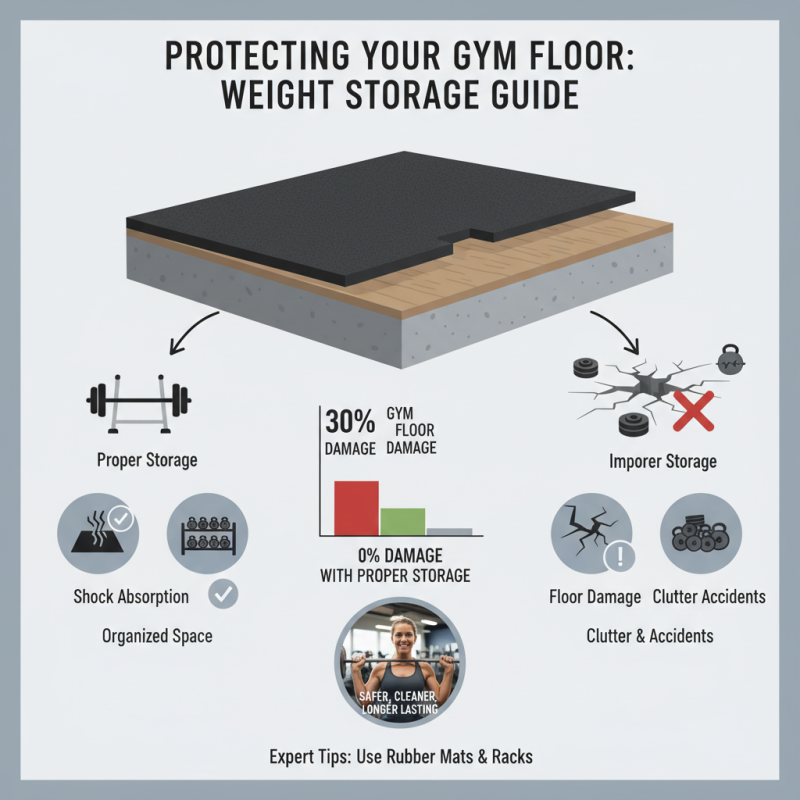
When considering how to store weights in a way that protects the floor, gym owners and fitness enthusiasts must prioritize both safety and maintenance. A recent industry report by the International Health, Racquet & Sportsclub Association (IHRSA) highlights that around 30% of gyms face floor damage due to improper weight storage. This statistic emphasizes the need for effective solutions.

Expert in fitness facility design, John Smith, asserts, “The right storage can prevent costly repairs and ensure a safe workout environment.” Properly storing weights not only safeguards your flooring but also enhances the overall usability of the space. Consider rubber mats or dedicated weight racks, which can absorb shocks and distribute weight evenly.

However, many still overlook the simple act of organizing weights efficiently. This can lead to clutter and potential accidents. It’s vital to routinely assess your storage methods and make adjustments. A proactive approach will not only protect your floor but also extend the lifespan of your equipment. Ultimately, understanding how to store weights in a way that protects the floor is essential for maintaining a safe and inviting fitness area.
How to Store Weights to Protect Your Floor Effectively?

Choosing the Right Storage Solution for Weights

When it comes to storing weights, selecting the right solution is critical to protect your flooring. Heavy weights can cause scratches, dents, or even cracks in various floor types. According to a report by the National Association of Home Builders, over 40% of home gym owners have experienced flooring damage due to improper weight storage. This statistic underlines the importance of considering flooring materials when choosing storage.

One practical solution is to use rubber mats or weightlifting platforms. These materials can absorb impact and reduce floor damage. Rubber mats are designed to withstand heavy weights and prevent slipping. A study by the International Journal of Exercise Science found that proper matting can reduce the risk of injury and enhance stability. The cost-effectiveness of mats also adds to their appeal; they can last for years with proper care.

Another option is to utilize dedicated weight storage racks. Well-designed racks not only keep weights organized but also prevent them from rolling. A clutter-free space encourages safer workouts. However, many neglect the maintenance of these storage solutions. Frequent checks for stability and wear can save you from costly repairs in the long run. Being proactive about storage can enhance both safety and longevity of your gym space.

Weight Storage Solutions Impact on Floor Protection

Understanding Floor Protection Materials and Their Benefits

When it comes to protecting your floor while storing weights, the right materials make a significant difference. For instance, rubber mats are often recommended. According to a study by the International Journal of Sports Medicine, rubber surfaces can effectively reduce noise and vibrations. This can be particularly advantageous in multi-purpose spaces where disturbances need to be minimized. Not only do these mats absorb impact, but they also prevent scratches and dents on wooden floors.


Foam tiles are another popular option. They offer excellent cushioning, which helps protect both the floor and the weights. A report from the American Council on Exercise highlighted that foam tiles can absorb shock, reducing the risk of damage to the surface beneath. While they are lightweight and easy to install, they may not offer the same level of durability as rubber in high-impact scenarios.


It’s crucial to consider the weight and use of your equipment. Heavy powerlifting gear may require thicker mats, while lighter weights can be stored on thinner options. Regular maintenance and inspections of floor protection materials are also necessary. Over time, even the best materials can degrade or show wear. This could lead to insufficient protection, highlighting the importance of periodic evaluation and adjustment of your storage setup.

Organizing Weights to Minimize Floor Damage

When organizing weights, it’s important to prevent floor damage. A well-structured approach can go a long way. Start by choosing the right surface for your weights. Rubber mats are great protectors. They absorb impact and minimize scratches. Consider the weight types you have. Different weights can affect the floor in various ways.

Storing weights off the floor can also help. Use weight racks or shelves to elevate them. This not only protects your flooring but also keeps the gym tidy. Remember to distribute the weights evenly. An uneven load can cause strain and potential damage to both your weights and the floor.

Incorporating these storage methods may not be perfect. You might still experience some wear and tear over time. That’s part of using equipment regularly. Regularly check the condition of your floor and weights. Assessing any damage early can save you from bigger issues later. Prioritizing organization and proper storage can lead to a more functional space.

How to Store Weights to Protect Your Floor Effectively?

Weight Type Storage Method Floor Protection Tips Damage Potential
Dumbbells Rack Storage Use rubber mats under the rack Low
Weight Plates Plate Holder Store with rubber separators Medium
Kettlebells Shelf Storage Use rubber mats or protective covers Medium
Barbells Horizontal Barbell Rack Keep weights evenly distributed High
Medicine Balls Basket or Shelf Storage Place on soft surfaces when dropped Low

Barriers and Mats: Extra Protection for Your Flooring

When storing weights, the right barriers and mats can greatly reduce floor damage. Heavy weights can dent or scratch various flooring types. The impact force from weights can reach up to 60 times their mass upon drop. This stresses the importance of having protective layers beneath your equipment.

Using rubber mats is a well-regarded solution. A study by the National Floor Safety Institute highlights that rubber flooring can absorb up to 75% of shock from dropped weights. This not only protects the floor but also minimizes noise, creating a better workout environment.

Barriers, such as weight storage racks, can also help. They prevent accidental falls and keep weights organized. A cluttered space can lead to unsafe practices. Investing in proper storage might cost more upfront, but it saves on potential repairs. Protecting your flooring is a worthwhile consideration for both the longevity of your gym and your peace of mind.

Best Practices for Weight Storage Maintenance

Proper weight storage is crucial for maintaining your flooring and ensuring safety. According to industry reports, improper storage can lead to significant damage. Heavy weights can dent or scratch floors, especially hardwood and laminate surfaces. Research indicates that just one drop from a height of one foot can cause localized damage to resilient floors. It emphasizes the need for protective measures.

Using weight storage solutions like racks or shelving is an effective strategy. These systems elevate weights off the ground, minimizing the risk of direct contact with the floor. Furthermore, investing in mats designed for weight storage can absorb shock and prevent scratches. A study found that exercise mats can reduce impact force by up to 80%. Such solutions are essential for home gyms and professional facilities alike.

Neglecting proper weight storage can lead to additional costs for repairs and floor replacements. Data reveals that businesses may spend up to 30% of maintenance budgets on floor restoration due to mishandling of equipment. Reflecting on this, thoughtful organization and protective measures become paramount. Taking these steps can save time and money in the long run.

FAQS

: What materials are effective for floor protection while storing weights?

: Rubber mats are commonly recommended. They reduce noise and vibrations effectively in multi-purpose spaces.

Why are foam tiles popular for floor protection?

Foam tiles provide excellent cushioning and absorb shock, protecting both the floor and the weights.

How should I choose the thickness of my floor mats?

Consider the weight of your equipment. Heavy gear needs thicker mats, while lighter weights can use thinner options.

What maintenance do floor protection materials require?

Regular inspections are necessary. Over time, even durable materials may degrade, affecting their protective capabilities.

How can I minimize floor damage when organizing weights?

Elevate weights using racks or shelves. This protects your flooring and keeps the gym tidy and organized.

What happens with unevenly distributed weights?

An uneven load can strain both your weights and the floor, possibly leading to damage over time.

How do barriers contribute to floor protection?

Barriers, like storage racks, prevent accidental falls and help keep weights organized, promoting a safer environment.

Is it normal to see wear and tear on floor protection?

Yes, some wear and tear is expected with regular use. Assessing conditions early can prevent larger issues.

What is the impact force of dropped weights?

Heavy weights can exert an impact force up to 60 times their mass when dropped, stressing the importance of protective layers.

Should I invest in proper storage solutions?

Yes, while it may cost more upfront, investing in storage can save on potential repairs and enhance safety.

Conclusion

In order to learn how to store weights in a way that protects the floor, it’s essential to choose the right storage solution that complements your space and minimizes damage. This involves selecting appropriate floor protection materials, such as rubber mats or padded surfaces, which can absorb impact and prevent scratches or dents on the flooring. Additionally, organizing weighted items effectively can further minimize floor damage by keeping them in designated areas and preventing excessive movement.

Utilizing barriers and mats as extra protection for your flooring isn’t just beneficial; it’s crucial for maintaining the integrity of your surfaces over time. Implementing best practices for weight storage maintenance, such as regularly inspecting your storage solutions and ensuring weights are returned to their proper places, will also contribute to a safer environment for both your floor and your fitness equipment. Emphasizing these strategies will help in creating a sustainable and protective weight storage plan.

Oliver

Oliver

Oliver is a seasoned marketing professional with a wealth of expertise in driving brand awareness and engagement. With a deep understanding of our company's product offerings, he consistently delivers high-quality content that enriches our professional blog. His insights not only shed light on......