How to Stop Hand Pain When Using a Pull Up Bar?

Time:2026-05-22 Author:Sophia
0%

Experiencing hand pain during pull-up exercises is a common issue. A significant number of fitness enthusiasts report discomfort in their hands while using a pull-up bar. According to a report by the American Journal of Sports Medicine, up to 30% of athletes face wrist and grip-related injuries. Expert physical therapist Dr. Emily Johnson highlights the concern: "Many people overlook the stress placed on their hands during pull-ups, leading to pain and potential injury."

Understanding "why do my hands hurt when using a pull-up bar" involves recognizing various factors. One primary reason is inadequate grip strength, which can lead to fatigue and strain. Additionally, improper technique may exacerbate the problem. Over time, this can result in chronic discomfort. Addressing these issues is vital for preventing long-term injuries, as hand pain can hinder workout progress.

With careful attention to grip and form, hand pain can be reduced. Focusing on hand strengthening exercises is also essential. Many individuals underestimate the importance of a strong grip, often overlooking its impact on overall performance. By understanding the reasons behind their pain, athletes can make necessary adjustments and maintain their workout routines effectively.
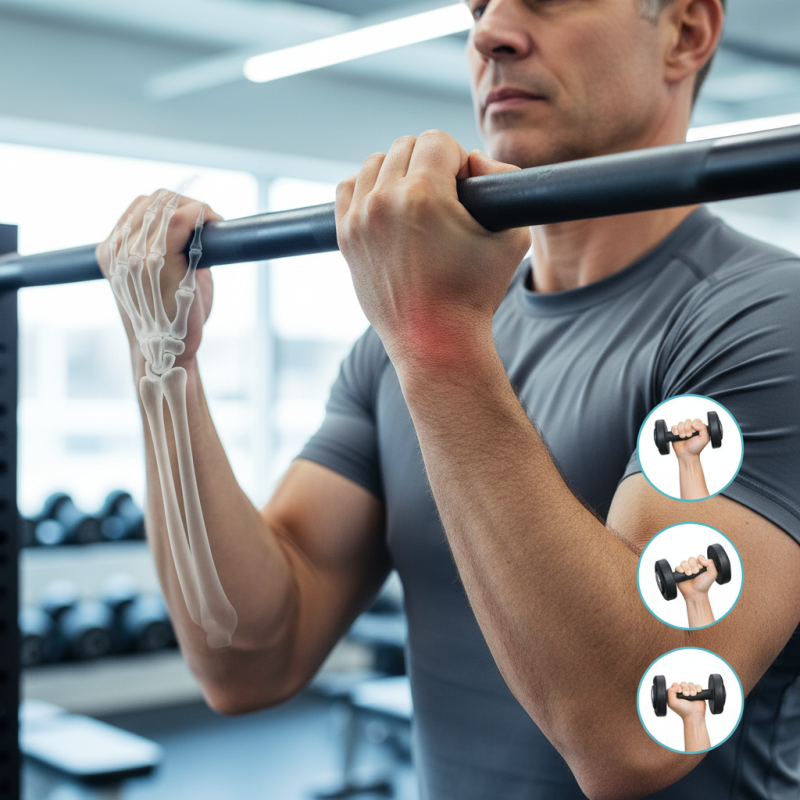
How to Stop Hand Pain When Using a Pull Up Bar?

Understanding Hand Pain in Pull-Up Exercises

Hand pain during pull-up exercises is a common issue. Many athletes experience discomfort in their hands while doing this popular exercise. Understanding the causes of this pain can help you find effective solutions. Gripping a pull-up bar tightly can lead to pain in your fingers, wrists, and palms. This pain often results from overuse or improper technique, such as using a grip that is too narrow or too wide.

Improper grip can stress the small muscles and tendons in your hands. Weak hand muscles may also contribute to this discomfort. Some individuals neglect hand strength training, which can lead to pain during pull-ups. You may need to reflect on how frequently you perform pull-ups without considering your hand strength.

Moreover, inadequate warm-up and stretching can result in injury. Neglecting these crucial steps can create tension in your hands. Consider incorporating exercises that target grip strength and flexibility. Some simple wrist stretches can also help prepare your hands for more rigorous workouts. Recognizing these factors is essential in addressing hand pain effectively.

Common Causes of Hand Pain When Using a Pull-Up Bar

Hand pain during pull-ups can be frustrating. Understanding the common causes helps address this issue effectively. Grip strain is a frequent culprit. When your hands are gripping the pull-up bar tightly, over time, this can lead to discomfort. If your grip is too narrow or too wide, it can also exacerbate the strain. Ensure you find a comfortable grip width to alleviate some tension.

Another common cause is inadequate warm-up. Many people jump into pull-ups without preparing their hands and wrists. Incorporating simple stretches or warm-up exercises can prepare your muscles. Ignoring this step often leads to pain during and after workouts. Sometimes, people may not realize they're using an improper grip technique. This can lead to extra strain and increased risk of injury. It's crucial to analyze your form while exercising. Reflecting on your grip approach can reveal areas for improvement.

How to Stop Hand Pain When Using a Pull Up Bar? - Common Causes of Hand Pain

Techniques to Improve Grip Strength and Reduce Discomfort

Using a pull-up bar can lead to hand discomfort, often due to inadequate grip strength. Improving grip strength is essential for reducing this pain. Research indicates that strong grip correlates with better overall performance in strength training. A study by the Journal of Strength and Conditioning Research shows that athletes with stronger grips perform better in various upper body exercises.

One technique for improving grip strength is the use of dynamic grip training tools. These can include hand grippers or weighted bars. Regularly integrating these tools can enhance your grip endurance. Experts recommend practicing static holds with weights, such as hanging from the bar for timed intervals. This method activates multiple muscles in the hand and forearm. As reported by the National Center for Biotechnology Information, even short daily sessions can significantly improve grip strength over time.

It's important to reflect on your form while using the pull-up bar. Often, the way you grip the bar can exacerbate discomfort. Consider experimenting with different grip widths or using wrist wraps for better support. Not everyone’s grip will feel comfortable during pull-ups, and finding your sweet spot is crucial. Engaging in stretching and mobility exercises for the hands can also alleviate pain. Aim for a balanced approach to training, focusing on both strength and flexibility.

How to Stop Hand Pain When Using a Pull Up Bar? - Techniques to Improve Grip Strength and Reduce Discomfort

Technique Description Benefits Frequency
Grip Strength Exercises Exercises such as wrist curls and hand squeezes. Increased grip strength, reduced fatigue during pull-ups. 2-3 times a week
Proper Warm-Up Engaging in dynamic stretching and warm-up movements before workouts. Improved blood flow, reduced risk of injury. Before every workout
Use of Grips/Straps Using pull-up grips or straps to alleviate stress on the hands. Less strain on hands, better focus on form. As needed
Adjust Hand Position Changing hand grip width and angle during pull-ups. Reduced strain on wrists and fingers. Varies with routine
Cooldown Stretching Gentle stretching of the hands and forearms post-workout. Decreased muscle tightness, improved flexibility. After every workout

Proper Hand Positioning and Grip for Pull-Ups

When using a pull-up bar, proper hand positioning is crucial. Many people grip the bar too tightly, which can lead to pain. Instead, aim for a relaxed grip. Your hands should wrap around the bar comfortably. Leave some space between your palm and the fingers. This will help distribute the pressure evenly.


Finding the right grip width is also essential. A grip that is too wide or too narrow can cause strain. Experiment with different widths to determine what feels best for you. Typically, shoulders' width apart is a good starting point. Keep your wrists straight. Avoid bending them, as this often leads to discomfort and potential injury.


Lastly, be mindful of your hand positioning throughout the exercise. If you begin to feel discomfort, pause and adjust your grip. It’s okay to take breaks. Listen to your body. Pain can be a sign of improper technique or overexertion. Make small adjustments as you go along and focus on maintaining a good form throughout your workout.

Stretching and Recovery Tips to Alleviate Hand Pain

When using a pull-up bar, consistent hand pain can hinder your progress. To manage this pain, focusing on stretching and recovery is essential. Simple stretches can significantly improve flexibility and reduce discomfort. Start with wrist flexor and extensor stretches. Hold each stretch for 15-30 seconds. This targets the muscles involved in gripping the bar.

Incorporate massages into your routine. Use your thumb to press into the palms, working around the fingers. This can increase blood flow and alleviate tension. It's a small detail that can lead to better performance. Another effective recovery method is ice therapy. Applying ice packs for short periods can reduce inflammation after a workout session.

After sessions, reflect on your grip technique. A poor grip can lead to unnecessary strain. Adjust your grip width and experiment with different holds. These small changes can make a significant impact. Always listen to your body. If pain persists, consider consulting a professional for tailored advice. Prioritize your recovery to enhance your overall performance.

FAQS

: What causes hand pain during pull-ups?

: Hand pain often stems from grip strain, improper grip technique, or insufficient warm-up.

How can I improve my grip strength?

Using dynamic grip training tools and practicing static holds can enhance grip endurance over time.

Why is warming up important before pull-ups?

Warming up prepares your hands and wrists, reducing the risk of pain and injury.

What grip techniques should I try?

Experiment with different grip widths and consider using wrist wraps for better support.

How can stretching help with hand pain?

Stretching, such as wrist flexor and extensor stretches, can improve flexibility and reduce discomfort.

How long should I hold stretches for my hands?

Aim to hold each stretch for 15-30 seconds to effectively target the muscles.

What recovery methods can I use after pull-ups?

Incorporating massages and ice therapy can help reduce tension and inflammation in your hands.

What if my hand pain persists despite trying these methods?

Listen to your body and consult a professional if pain continues; tailored advice may be necessary.

Can an improper grip really affect my performance?

Yes, a poor grip can lead to strain and hinder your overall progress, reflecting on your technique is essential.

Is it normal to experience some discomfort during pull-ups?

Light discomfort can be common, but persistent pain should not be ignored; it may require adjustments.

Conclusion

Pull-up exercises can often lead to hand pain, prompting the question, "why do my hands hurt when using a pull-up bar?" Understanding the common causes of hand pain during these workouts is crucial. Factors such as improper grip techniques, insufficient grip strength, and poor hand positioning can contribute to discomfort. It's important to focus on strengthening your grip through specific exercises and ensuring your hand placement is optimal when performing pull-ups.

Additionally, incorporating proper stretching and recovery practices can significantly alleviate hand pain. By recognizing the underlying issues and implementing corrective measures, you can enhance your performance while minimizing discomfort, allowing for a more effective and enjoyable workout experience.

Sophia

Sophia

Sophia is a dedicated marketing professional with an exceptional depth of knowledge about her company's products and services. With a keen understanding of market trends and customer needs, she crafts insightful blog posts that not only inform but also engage readers, enriching the company’s online......