When considering the value of gym equipment, many buyers ask, "Is refurbished gym equipment worth the money?" This question often arises among fitness enthusiasts and gym owners alike. According to industry expert Mark Johnson, “Investing in refurbished equipment can be wise, but buyers must do their homework.” His advice highlights the importance of thorough research when buying refurbished items.
Refurbished gym equipment can provide an affordable alternative to new machines. Buyers can expect significant savings, appealing to budget-conscious individuals. However, it's crucial to understand the potential risks involved. Not all refurbished equipment is created equal. Some may come with hidden issues, affecting performance and longevity.
Furthermore, it's essential to consider the source of refurbishment. Reputable companies typically ensure quality checks and offer warranties. Developing a clear understanding of the refurbishment process can aid buyers in making informed decisions. Thus, the exploration of whether refurbished gym equipment is worth the money hinges on careful evaluation and understanding individual needs.
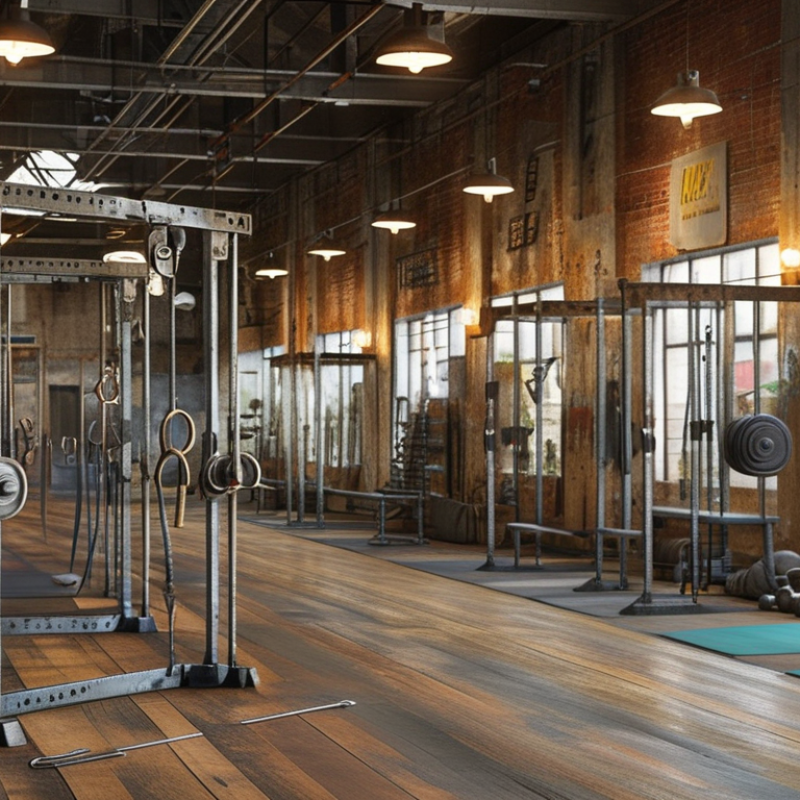
When considering refurbished gym equipment, several factors influence its true value. A recent industry report notes that refurbished equipment can be 30% to 50% cheaper than new models. This price difference can appeal to budget-conscious buyers. However, potential buyers should weigh quality against cost. Refurbished equipment often undergoes repairs and upgrades, but the extent of this refurbishment can vary greatly.
Durability is another critical factor. A study by the International Health, Racquet & Sportsclub Association highlights that gym owners often report mixed results with refurbished equipment longevity. While some items perform well over years, others may face mechanical issues sooner than expected. Buyers should seek out detailed refurbishment histories, ensuring they understand the equipment's condition and reliability.
Maintenance requirements also play a role in the investment decision. Refurbished items may require more frequent upkeep, leading to unexpected costs. Understanding the warranty terms is essential. Reports indicate that equipment with a solid warranty tends to offer better long-term value. Those looking into refurbished gym gear must balance cost savings against these potential issues to make informed choices.
When considering gym equipment, many buyers face a critical choice: new or refurbished. The cost of new equipment can be staggering. According to the International Health, Racquet & Sportsclub Association (IHRSA), new commercial-grade machines often range from $3,000 to $10,000. This expenditure can be a barrier for small gyms or home users. In contrast, refurbished equipment can be priced 30% to 50% lower, providing a more budget-friendly solution.
Despite the savings, the decision to purchase refurbished gear warrants caution. Not all refurbished equipment undergoes rigorous quality checks. A report from the Fitness Industry Association indicates that up to 15% of refurbished machines can have unreported defects. This risk makes it vital to source from reputable suppliers who guarantee performance and safety standards. A balancing act exists between cost savings and potential maintenance issues down the line.
Buyers should conduct thorough research on the refurbishment process. Ask about warranties and service agreements. A well-structured refurbishment can lead to reliable, high-quality equipment. However, if overlooked, a bad purchase can lead to increased costs for repairs. Understanding the nuances of refurbished equipment can aid in making informed decisions, ensuring that investments lead to satisfying fitness experiences.
When considering refurbished gym equipment, durability is a top concern. Many buyers worry about how long these items will last. Refurbished equipment is often rebuilt to meet strict standards, but quality varies by vendor. It's essential to ask questions about the refurbishing process. How were the machines repaired? What parts were replaced?
Warranties play a critical role in assessing reliability. A good warranty can provide peace of mind for the buyer. Look for warranties that cover both parts and labor. Some refurbished machines might come with limited warranties, which can be risky. If something goes wrong, will there be support? Consider options for extended warranties, as they can enhance your investment's value.
It's also wise to do your research. Reading reviews can help you gauge reliability. However, some reviews may be overly positive. Finding honest feedback is key. Not every refurbished piece will perform like new. Be prepared for some variability in performance. In the end, making informed choices is crucial for long-term satisfaction.
| Equipment Type | Durability Rating (1-10) | Average Warranty Period (Years) | Condition Grade (A/B/C) | Estimated Lifespan (Years) |
|---|---|---|---|---|
| Treadmill | 8 | 2 | A | 7 |
| Stationary Bike | 7 | 1.5 | B | 5 |
| Rowing Machine | 9 | 3 | A | 8 |
| Weight Bench | 6 | 2 | B | 6 |
| Elliptical Trainer | 8 | 2 | A | 7 |
When considering refurbished gym equipment, buyer satisfaction is essential. Industry statistics reveal that many users express positive feedback about these products. A survey found that over 70% of buyers reported contentment with their refurbished purchases. Most appreciated the quality and performance compared to new items. This suggests that refurbished equipment can meet high standards.
However, it’s crucial to examine potential drawbacks. Some buyers faced issues with the warranty or maintenance support. Quality can vary widely depending on the refurbishing process. While most refurbished machines serve well, a few may require extra care. This variance can lead to frustration when expectations are not met.
Understanding the refurbishment process is also vital. Some equipment is restored to near-new condition, while others may have visible wear. Buyers should research the specifics of what they are purchasing. Checking for certifications or reliable refurbishing practices can enhance confidence. Ultimately, awareness of these factors can lead to a more satisfying investment in refurbished gym equipment.
Choosing refurbished gym equipment can significantly reduce environmental impact. These items often find a second life instead of ending up in landfills. By opting for refurbished gear, buyers contribute to sustainability practices. This choice helps lower the demand for new resources and manufacturing processes, which can be resource-intensive. The results include less waste and reduced carbon footprints.
Consider these tips when shopping for refurbished equipment. Research thoroughly to ensure you’re purchasing from reputable sellers. Check for warranties or guarantees, which can offer peace of mind. Inspect the equipment closely for signs of wear. Even well-refurbished gear can show signs of its history, and it’s important to evaluate functionality carefully.
Purchasing refurbished equipment may require a shift in perspective. Some may hesitate due to concerns about quality or durability. However, many refurbished products undergo rigorous testing. They can perform just as well as brand-new models. Embracing this mindset not only benefits individual buyers but also contributes to a larger movement towards environmental responsibility.
: Evaluate the cost differences. New equipment is more expensive, while refurbished items can be 30% to 50% cheaper.
No, reliability varies. Some refurbished equipment may have unreported defects, so choose suppliers carefully.
Inquire about the refurbishing process and what parts were replaced to assess durability more accurately.
Aim for warranties covering both parts and labor. Limited warranties can be risky, so consider extended options.
Over 70% of buyers express satisfaction, often appreciating the quality compared to new items despite some issues.
Yes, some refurbished items may not look brand new. Understand what you're purchasing by checking specifications.
Reviews can provide insights, but be cautious, as some may be overly positive. Look for honest feedback.
Yes, some buyers experience warranty or maintenance issues. Awareness of potential drawbacks is important.
Researching refurbishment standards and checking certifications can enhance confidence in your investment decisions.
Understanding quality variations and being prepared for potential performance differences can significantly affect your experience.
In recent years, the question "is refurbished gym equipment worth the money" has gained traction among fitness enthusiasts and buyers looking to invest in home or commercial gyms. Various factors influence the value of refurbished gym equipment, including initial cost comparisons with new models, where significant savings can often be realized. Additionally, the durability and reliability of refurbished items are bolstered by robust warranties, allowing buyers to feel secure in their investment.
Moreover, industry statistics indicate a high level of buyer satisfaction with refurbished equipment, showcasing its growing acceptance within the fitness community. From an environmental standpoint, choosing refurbished options promotes sustainability, reducing waste and the demand for new resources. Ultimately, for many buyers, refurbished gym equipment presents a financially wise choice that also benefits the planet, making it an attractive consideration in the burgeoning fitness market.

Carpe fitness