When it comes to fitness equipment, resistance bands are popular for their versatility and effectiveness. However, there's a common concern: "why do some resistance bands snap so easily?" Dr. Sarah Lee, a leading expert in sports equipment safety, highlights, "The quality of materials used in resistance bands is critical for their durability."
Many factors contribute to the fragility of resistance bands. One significant issue is poor manufacturing practices. Bands made from low-quality rubber or latex can degrade quickly, leading to unexpected snaps. Environmental conditions, such as exposure to sunlight and extreme temperatures, can also weaken the bands over time.
Additionally, improper use can accelerate wear and tear. Users may exceed the recommended stretch limits or neglect to inspect bands for signs of damage. This raises important questions about responsibility in selecting and maintaining workout equipment. Understanding why some resistance bands snap so easily can lead to better choices and safer workouts. Taking a moment to reflect on these factors may prevent injuries and enhance your fitness journey.
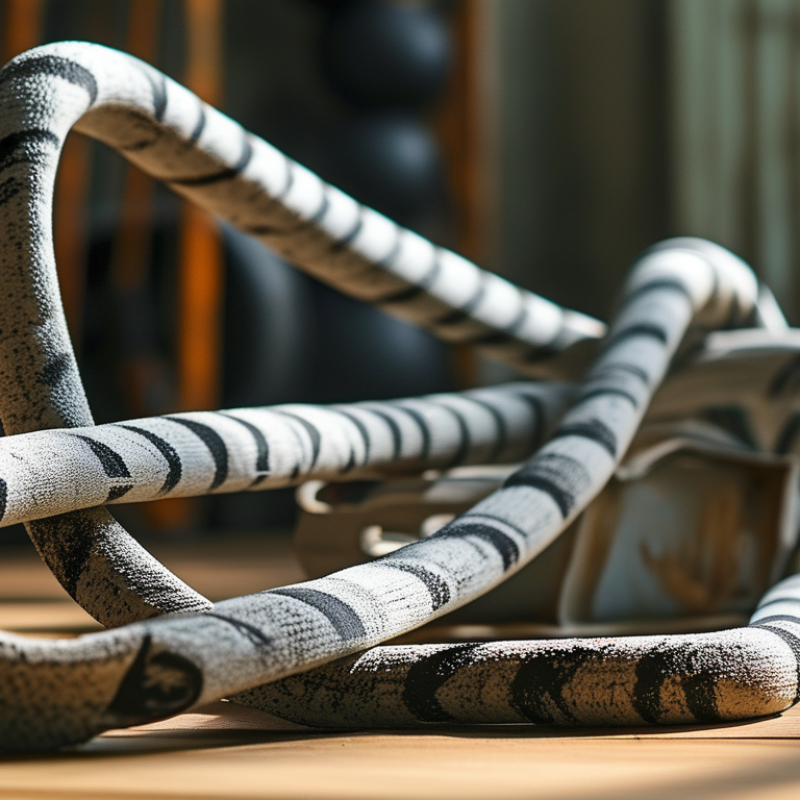
Factors Affecting the Durability of Resistance Bands
When examining the durability of resistance bands, several factors come into play.
Material quality is crucial. Bands made from inferior rubber or latex can wear out quickly. The thickness of the band also matters.
Thinner bands are generally more prone to snapping under pressure. Regularly checking for visible signs of wear can save users from sudden breaks.
Environmental exposure impacts resistance bands significantly. High temperatures can degrade the material, making it brittle.
Storing bands in damp areas leads to mildew, which weakens their structure. Additionally, improper use can contribute to early failure.
Using bands for tasks they aren’t designed for can cause them to break unexpectedly.
Lastly, users should consider the frequency of use. Frequent stretching can wear bands down faster than occasional workouts.
It’s essential to be mindful of how often and how intensely bands are used. Learning proper care techniques, like
cleaning and storing them correctly, is vital. Reflecting on these aspects can lead to a more informed choice about resistance band maintenance.
Common Materials Used in Resistance Bands and Their Limitations
Resistance bands are popular for their versatility. However, not all bands are created equal. The materials used play a crucial role in their durability. The two most common types are latex and rubber. Both materials can degrade over time, especially when exposed to sunlight or extreme temperatures.
Latex bands tend to have higher elasticity but may snap easily if overstretched. They can also weaken with age. Rubber bands, on the other hand, tend to be more durable but less elastic. Users often overlook the importance of storage. Leaving bands in a hot car can lead to damage.
Tips: Store bands in a cool, dry place. Avoid direct sunlight. Regularly inspect the bands for signs of wear or fraying. If they seem damaged, replace them before any workouts.
In conclusion, knowing the limitations of the materials helps users choose wisely. Each option has its merits and flaws. Reflecting on how you use and store your bands can enhance your workout experience. Understanding these factors is key to using resistance bands safely.
Top 10 Reasons Why Some Resistance Bands Snap Easily
Improper Usage Techniques Leading to Band Failure
Improper usage techniques are a common reason for resistance band failure. Many users don’t realize that their handling can lead to premature snapping. For instance, using a band that is too thin for heavy resistance can increase the risk of breakage. Users often stretch bands beyond their recommended limit, which compromises the material.
Another issue arises when users don’t inspect their bands regularly. Small nicks and tears can grow unnoticed until it's too late. It’s easy to overlook wear and tear, especially when rushing through a workout. Equipment shouldn’t be ignored. Investing time in checking the bands can prevent injuries.
In addition to user errors, storage practices can also contribute to band failure. Leaving resistance bands in direct sunlight or extreme temperatures can weaken them. Proper storage is essential for longevity. Users should also avoid twisting or placing excessive tension on the bands when not in use. Understanding these factors can greatly enhance the lifespan of resistance bands.
Environmental Conditions Impacting Resistance Band Lifespan
Environmental conditions play a crucial role in the longevity of resistance bands. Humidity, temperature, and sunlight exposure can significantly impact their lifespan. High humidity can cause materials to degrade faster, leading to brittleness. Likewise, extreme temperatures can alter the elasticity of the bands, making them prone to snapping.
Sunlight can also be a silent enemy. Prolonged exposure to UV rays can weaken the band’s structure. Outdoor workouts pose a risk for wear and tear. Not everyone considers these factors while using resistance bands. Yet, neglecting environmental impacts might lead to unexpected failures.
It's vital to store resistance bands properly. Keeping them in a cool, dry place can prolong their usability. Furthermore, regular inspections can help detect any signs of wear. Over time, small damages can escalate if unnoticed. Awareness of environmental effects can enhance your workout safety.
Signs of Wear and Tear: When to Replace Your Resistance Bands
Resistance bands are popular tools for strength training and rehabilitation. However, they don’t last forever. Recognizing the signs of wear and tear can prevent unexpected accidents. Look closely for cracks, fraying, or discoloration. These are early indicators that your bands may need replacing soon. Inspect the surface regularly, especially after intense workouts.
In addition to visible damage, pay attention to how the band feels during use. If it suddenly loses elasticity, it could snap during your workout. A sudden change in resistance can be alarming. The rubber should always return to its original shape. If it doesn’t, consider it a red flag. Remember, your safety comes first.
Always store the bands properly to prolong their lifespan. Keep them away from direct sunlight and extreme temperatures. Improper care can lead to quicker deterioration. Reflect on your usage habits. How often do you train? Are your bands exposed to rough surfaces? Regularly reassessing these factors ensures a safer workout environment.
Top 10 Reasons Why Some Resistance Bands Snap Easily
| Reason |
Description |
Signs of Wear and Tear |
Recommended Action |
| Overuse |
Using the bands too frequently can cause them to wear out faster. |
Visible cracks or thinning |
Consider replacing after a set number of uses. |
| Improper Storage |
Storing bands in direct sunlight or high temperatures can degrade the material. |
Fading color or stickiness |
Store in a cool, dark place. |
| External Damage |
Using bands on rough surfaces can cause cuts and abrasions. |
Visible cuts or fraying |
Inspect before use; replace if damaged. |
| Incorrect Usage |
Using bands for exercises they weren't designed for can increase the risk of snapping. |
Sudden snaps during exercises |
Follow guidelines for intended use. |
| Chemical Exposure |
Exposure to oils or harsh cleaners can weaken bands. |
Brittleness or discoloration |
Keep away from chemicals. |
| Shelf Life |
All rubber products degrade over time, regardless of use. |
Loss of elasticity |
Replace yearly or as recommended by the manufacturer. |
| Overstretching |
Stretching bands beyond their recommended length can lead to breaks. |
Excessive resistance felt during use |
Use within recommended stretching limits. |
| Sharp Edges |
Rough edges on attachments can cut the bands. |
Tears near attachment points |
Inspect and smooth sharp edges or replace. |
| Incompatibility |
Using bands that are too strong for your fitness level can lead to snap. |
Frequent snapping sounds during use |
Choose bands appropriate for your strength level. |
| Age of Bands |
Older bands are more prone to snapping regardless of condition. |
General weakness, less resistance |
Replace if bands are more than a few years old. |
Conclusion
Resistance bands are popular fitness tools, but many users wonder, "why do some resistance bands snap so easily?" Several factors contribute to this issue. Firstly, the durability of resistance bands is significantly affected by the materials used in their construction. Common materials like latex or rubber can have limitations, such as susceptibility to wear over time. Additionally, improper usage techniques—such as overstretching or using bands outside their intended purpose—can lead to premature failure.
Environmental conditions also play a crucial role in the lifespan of resistance bands. Exposure to extreme temperatures, moisture, or direct sunlight can weaken the material and increase the likelihood of snapping. Users should be vigilant for signs of wear and tear, such as cracks or thinning spots, indicating when it’s time to replace their resistance bands to ensure safety during workouts. By understanding these factors, users can take better care of their bands and reduce the chances of unexpected breaks.

 Carpe fitness