Maintaining a treadmill is essential for optimal performance and longevity. A well-lubricated belt can significantly reduce motor strain and wear. According to a report by the Fitness Equipment Association, proper maintenance can extend the lifespan of your treadmill by up to 50%. However, many users often overlook how to lubricate a treadmill belt without a kit. This process is crucial for those who seek an easy and cost-effective solution.
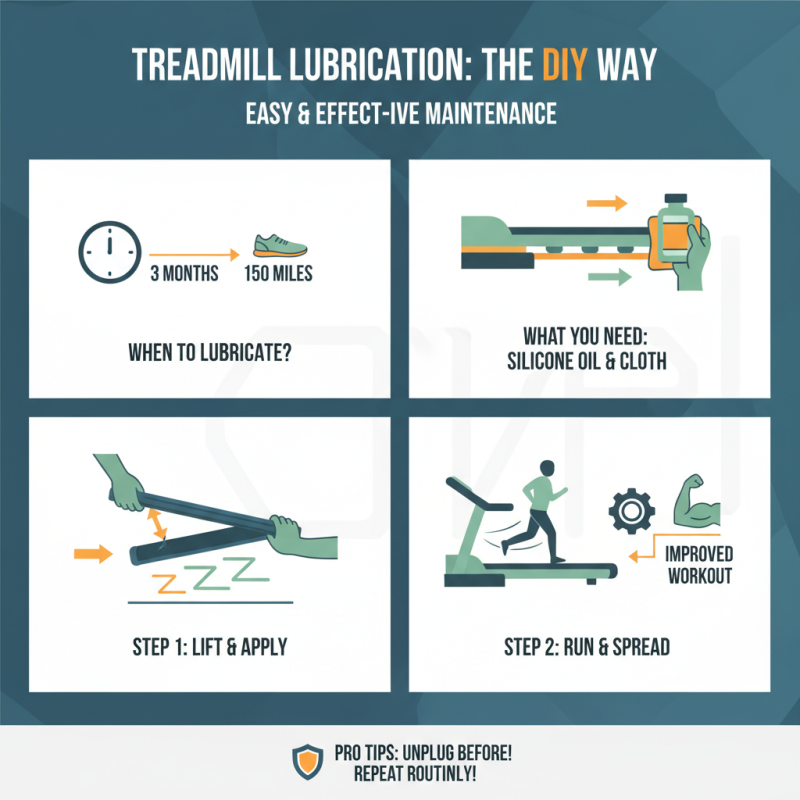
Many treadmill manufacturers recommend lubrication every three months or after every 150 miles of use. Neglecting this can lead to issues such as increased friction and noise. Interestingly, research from the Journal of Sports Science indicates that improper lubrication can lead to a decrease in workout efficiency. Thus, knowing how to lubricate a treadmill belt without a kit becomes vital for ensuring both the machine's performance and your workout results.
While it may seem complex, there are simple methods to achieve effective lubrication. This can lead to a more comfortable workout experience and assure your equipment's reliability. Yet, many users question their ability to do this without the proper tools, reflecting a common hesitation in DIY maintenance. Being aware of these challenges can empower users to take control and ensure their treadmill operates smoothly.
Proper lubrication of a treadmill belt is vital for optimal performance. A well-lubricated belt reduces friction, extending the life of both the belt and the motor. When the belt runs smoothly, the overall user experience improves. You avoid unnecessary wear and tear, saving money on repairs over time.
Understanding how to lubricate the belt enhances your workout experience. It helps prevent overheating, which can lead to motor failure. Regular checks can save you from unexpected breakdowns. Pay attention to any unusual sounds or resistance while running. These may signal that lubrication is needed. If you notice these signs, take action immediately.
While it seems easy to overlook, regular maintenance is essential for treadmill longevity. Many users forget about lubrication until problems arise. Even when you think everything is fine, check the belt regularly. Small lapses in maintenance can lead to larger issues later. Forming a routine ensures your treadmill remains in top shape, making your fitness journey enjoyable.
Choosing the right lubricant for your treadmill is crucial for optimal performance. Reports indicate that improper lubrication can lead to friction and wear. According to industry data, treadmill belts that are serviced regularly can last 30% longer. The ideal lubricant should be a silicone-based product, as it reduces friction without attracting dust.
When selecting a lubricant, consider its viscosity. Low-viscosity options penetrate better. High-viscosity lubricants may offer initial protection but can create buildup over time. Additionally, many treadmill belts are made from materials like PVC or rubber, which the wrong lubricant can damage. It’s essential to read the manufacturer's guidelines.
Using too much lubricant can be as detrimental as using too little. Excess lubricant may cause slipping. Signs include unusual noises or the belt shifting. Keep an eye on your treadmill regularly to address these issues. Keeping a maintenance log can help you adjust your lubrication routine accordingly.
Preparing your treadmill for the lubrication process is crucial for efficiency and long-term use. Start by disconnecting the treadmill from its power source. This ensures safety while you work. Next, clean the treadmill belt and deck. Dust and debris can interfere with lubrication. Regular cleaning is essential, as reports show that 75% of treadmill failures are due to inadequate maintenance.
The next step involves checking the belt tension. A well-adjusted belt reduces friction, optimizing performance. The ideal tension allows for about 2-3 inches of lift when pulled upwards. Many users overlook this, which can lead to belt wear. Also, inspect for signs of wear, such as fraying or cracking. Addressing these areas reduces the risk of accidents and extends the lifespan of your equipment.
Before applying lubricant, it’s helpful to know the type of lubricant recommended for your treadmill. Even if you don’t have a specific kit, using silicone-based lubricants can be effective. Users often underestimate this step, leading to performance issues. Stick to a maintenance schedule; lubrication every 3-6 months is advisable based on usage. Proper preparation sets the stage for a smooth, efficient treadmill experience.
Lubricating a treadmill belt is crucial for maintaining its performance and longevity. Many users neglect this essential maintenance task, leading to increased wear and tear. According to the International Health, Racquet & Sportsclub Association (IHRSA), proper lubrication can extend the lifespan of your treadmill by up to 50%. That’s a significant improvement, especially for regular users.
To effectively lubricate your treadmill belt, start by cleaning the surface. Dust and debris accumulation can hinder the lubrication process. Use a cloth to wipe down the belt and deck. Next, access the gap between the belt and the deck. Insert a small amount of lubricant into this space. A good rule of thumb is to apply it sparingly; too much can break down the belt material. Run the treadmill at a low speed for a few minutes. This allows for even distribution.
Ensure you check your treadmill's user manual for specific requirements. Note that different treadmills may have various lubrication needs. Some common signs of inadequate lubrication include slippage during use, squeaking noises, and increased friction. If you notice these issues, take action. Regular maintenance will improve not only the performance but also your overall workout experience. Remember, proactive care is better than reactive repairs.
Maintaining your treadmill after lubrication is crucial for its longevity and performance. Regular checks can prevent wear and tear. A study by the Sporting Goods Manufacturers Association found that proper maintenance can extend a treadmill's lifespan by up to 30%. Clean the deck and belt after lubricating. Dust and debris can accumulate, causing friction and wear.
Listen to your treadmill. Unusual noises may indicate issues. Inspect for any signs of belt slippage. This can affect workout efficiency. It's essential to ensure the tension is correct. A loose belt can wear out faster. According to a 2022 report from the National Institute of Health, equipment misalignment often leads to failures.
Take time for visual inspections weekly. Focus on the overall condition of your treadmill. Replace worn parts promptly. Lack of attention can turn minor issues into costly repairs. Invest in good practices, and your equipment will reward you with reliable performance.
| Maintenance Step | Description | Frequency | Tips |
|---|---|---|---|
| Check Tension | Ensure the belt is at the correct tension level for optimal performance. | Every Month | Press down on the belt's center; it should only deflect 1-2 inches. |
| Clean the Belt | Remove dirt and debris from the belt surface before lubricating. | Before Lubrication | Use a damp cloth or a mild cleaner for thorough cleaning. |
| Lubricate the Belt | Apply silicone-based lubricant to the underside of the belt. | Every 3 Months | Lift the belt slightly to access the underside easily. |
| Inspect the Deck | Check for any signs of wear or damage on the treadmill deck. | Every 6 Months | Look for scratches, grooves, or discoloration. |
| Perform General Maintenance | Check bolts, screws, and connections to ensure everything is secure. | Every 6 Months | Tighten loose parts to prevent unnecessary wear. |
: Lubricant reduces friction, preventing wear and tear. Proper lubrication enhances performance.
Silicone-based lubricants are ideal. They reduce friction and do not attract dust.
Avoid using too much or too little. Excess can lead to slipping; too little causes wear.
Listen for unusual noises or check for belt shifting. Both indicate potential lubrication issues.
Regular checks are essential. Maintenance logs can help track your lubrication schedule efficiently.
Yes, using incorrect lubricants can harm belts made of PVC or rubber. Always check guidelines.
Regular maintenance can extend lifespan up to 30%. Neglect can lead to costly repairs.
Yes, cleaning the deck and belt prevents dust buildup, which can cause friction and wear.
Lubricating your treadmill belt is essential for ensuring smooth operation and prolonging the life of your equipment. Understanding how to lubricate a treadmill belt without a kit can help you avoid costly repairs and maintain optimal performance. Start by identifying the suitable lubricant for your specific treadmill model, as using the wrong type may cause damage. Before beginning the lubrication process, make sure to prepare your treadmill by unplugging it and cleaning the belt and deck thoroughly.
Follow a simple step-by-step guide to effectively apply the lubricant, paying special attention to evenly distributing it across the belt. Lastly, to preserve the benefits of lubrication, incorporate regular maintenance practices, such as checking the tension of the belt and performing periodic cleanings. By mastering these steps, you can ensure the longevity and efficiency of your treadmill without the need for specialized kits.

Carpe fitness