Setting up a squat rack safely at home is essential for an effective workout routine. Understanding how to set up a squat rack safely at home not only enhances your physical training but also ensures your safety. A poorly set up rack can lead to serious injuries. Therefore, learning the best practices is vital.
Home workouts are on the rise. Many are investing in their fitness by creating personal gyms. However, not everyone knows the correct way to use equipment. A squat rack, if misconfigured, can cause accidents. It’s important to recognize the risks. Small mistakes can escalate into significant injuries.
Proper setup involves understanding your space and equipment. Selecting a stable location is crucial. Using adjustable heights enhances safety. Testing the stability of the rack is necessary before each use. Even experienced lifters must double-check their setup. This attention to detail can make all the difference. Investing time in learning how to set up a squat rack safely at home pays off.
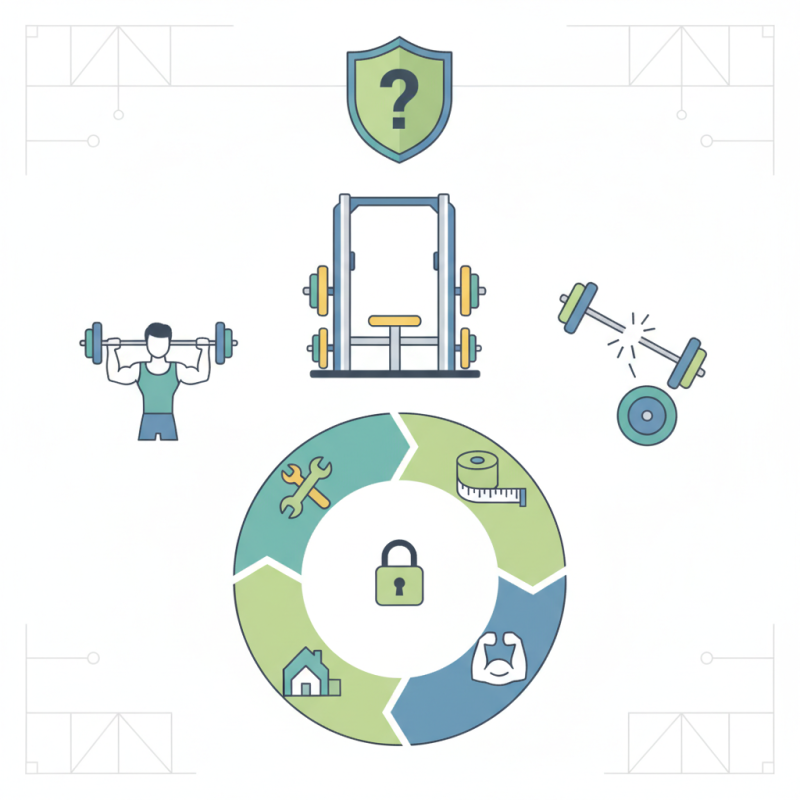
Setting up a squat rack at home offers various benefits, but safety should always come first. A safe setup helps prevent injuries. When weights fall or the rack tips over, the consequences can be severe. Prioritizing a solid foundation ensures your workouts remain effective and enjoyable.
Tips: Always inspect your squat rack for stability. Ensure that the feet are firmly planted on the ground. Check the levelness by using a level tool. If the setup feels off, adjust it immediately.
Another important aspect is the placement of weights. Store them neatly on the rack to avoid them rolling around. A clutter-free environment minimizes risks. It’s also wise to position the rack close to a wall or corner for extra support.
Tips: Use weight bags or sandbags to secure your squat rack if you lift heavier loads. These can add stability in case of accidental bumps. Remember, it's better to be cautious and adjust your setup than to face potential injuries. Taking time for reflection on your setup process will help improve your technique and safety.
When setting up a squat rack at home, understanding its components is crucial for safety. A sturdy base is essential. It should be placed on a flat, non-slip surface. This prevents any unwanted movement during your workout. The uprights must be adjustable to accommodate various heights. Always check for stability before loading weights.
Tip: Use a bubble level to ensure your squat rack is even. An uneven setup can lead to accidents.
Safety pins or catchers are necessary features. They serve as fail-safes if you drop the bar. Without these, you risk serious injury. Make sure the safety pins are properly installed.
Tip: Regularly inspect these components for wear and tear. A small crack could compromise your safety.
A supportive bench can also enhance your experience. It offers a place to rest during sets and helps with stability. Just remember, the bench must be compatible with your rack.
Tip: Keep your workout area clear. Clutter can lead to trip hazards when lifting heavy weights. Always prioritize safety.
In recent years, home gyms have become increasingly popular. However, safety is paramount when it comes to setting up equipment like squat racks. Statistics show that improper equipment setup can lead to serious injuries. According to a report by the National Center for Health Statistics, over 400,000 injuries were attributed to home exercise equipment in 2020 alone. More than 30% of these injuries were severe enough to require emergency medical attention.
One common issue involves squatting with a poorly set-up rack. A study from the American Journal of Sports Medicine found that 75% of those injured in weightlifting incidents were victims of equipment failure or misconfiguration. Many users overlook the importance of checking height settings. An incorrectly positioned bar can lead to catastrophic accidents, from dropped weights to falls.
People often rush through setup, ignoring guidelines. This can result in not just personal injury but also damage to the equipment. The Consumer Product Safety Commission has identified squatting as a primary risk factor in gym-related injuries. Taking time to properly configure your squat rack can dramatically reduce these risks, fostering a safer workout environment.
Setting up a squat rack at home can be a game changer for your workout routine. To ensure safety, following a step-by-step guide is essential. Begin by selecting a suitable location. Find a flat surface with enough space around the rack. Noise can disturb the neighbors, so consider soundproofing if needed.
Next, unbox your squat rack. Lay out all parts clearly. Check for missing or damaged components. This initial inspection is crucial. Assemble the base first. Use the proper tools and follow the instructions closely, but don’t rush. Tighten all bolts securely, but don’t over-tighten, as this can cause damage.
Once the frame is up, adjust the safety spots. Ensure they align with your height. Test the stability by applying pressure. If the rack wobbles, reassess your assembly. Keep your workspace organized. Having tools misplaced can lead to errors. Always stay alert during the setup process. Each step you take is not only about building a rack but ensuring your safety during workouts.
Setting up a squat rack at home can enhance your workout experience, but it comes with risks. Many individuals unknowingly make mistakes when installing their squat racks. One common error is neglecting adequate spacing. It's crucial to ensure the rack is placed in a spacious area. This prevents accidents or collisions during lifts. A cramped setup can lead to serious injury.
Another frequent mistake is improper leveling of the squat rack. It's essential to check that the ground is even. If the rack wobbles, it can compromise your safety during exercises. Always use a level to ensure stability. Additionally, securing the weight plates is vital. Loose plates can slide or fall off easily. This can cause you to lose balance or even get hurt.
Many people overlook the importance of a proper warm-up and safety gear. A squat rack setup should prioritize safety. Consider using safety pins or spotters to catch weights if you fail a rep. Rushing through the process can lead to thinking everything is fine. Reflection and revision are key to a safe and effective workout space. Taking time to analyze your setup can save you from potential pitfalls.
: Safety prevents injuries from falling weights or tipping racks. A solid foundation keeps workouts effective and enjoyable.
Inspect the rack regularly. Check that the feet are planted firmly on the ground and use a level tool.
Adjust the setup immediately. An uneven rack can lead to serious safety issues during exercises.
Store weights neatly to prevent them from rolling. A clutter-free environment minimizes risks during workouts.
Yes, using weight bags or sandbags adds stability. This is especially useful for heavier loads to prevent accidents.
Avoid neglecting spacing and proper leveling. A cramped or wobbling setup increases the risk of injury.
Proper warm-up reduces the risk of injury. It prepares your body for lifting and enhances performance.
Use safety pins or have a spotter available. This adds a layer of safety in case of failed attempts.
Analyzing your setup helps identify potential pitfalls. It allows for adjustments that can enhance safety and effectiveness.
Don't rush the process. Take time to revise and fix any errors, as this can prevent future accidents.
Setting up a squat rack safely at home is crucial for preventing injuries and ensuring a productive workout environment. A proper understanding of the key components of a squat rack can greatly impact safety, as each part plays a significant role in stability and usability. With statistics highlighting the prevalence of home gym injuries due to improper equipment setup, it becomes evident that learning how to set up a squat rack safely at home is not just beneficial but essential.
This article provides a comprehensive step-by-step guide to assembling a squat rack, along with common mistakes to avoid during setup. By following these guidelines, individuals can create a safe and effective workout space, minimizing risks and enhancing their fitness journey.
Carpe fitness