A yoga mat can look clean yet feel dangerously slick. Sweat, body oils, and soap residue may hide inside its textured surface. The wrong cleaner can leave a shiny film that weakens your footing during downward dog or a balancing pose. That is why many practitioners ask, “how to clean yoga mats without ruining the grip.” The answer depends on the mat’s material, finish, and cleaning history.
From practical mat care, gentle methods usually work best. A soft cloth, lukewarm water, and a small amount of mild, fragrance-free soap can remove daily residue without attacking the surface. Wipe in small circles, especially around hand and foot placements. Avoid soaking the mat unless the manufacturer permits it. Excess water may enter porous foam and create a lingering odor. Dry it flat, away from direct sunlight and heaters. Too much heat can distort the texture.
Read the care label.
Natural rubber, PVC, and polyurethane mats may respond differently to the same solution. Test a hidden corner first, then check whether the grip changes after drying. Disinfecting wipes, vinegar mixtures, and essential oils are not automatically safe. Some leave residue, while others may damage protective coatings. I have learned that a strong smell does not prove cleanliness. Sometimes, less product gives a better result. Still, cleaning habits should match real use, including heavy sweating and outdoor practice. This guide explains reliable steps, common mistakes, and reasonable compromises for preserving both hygiene and traction.
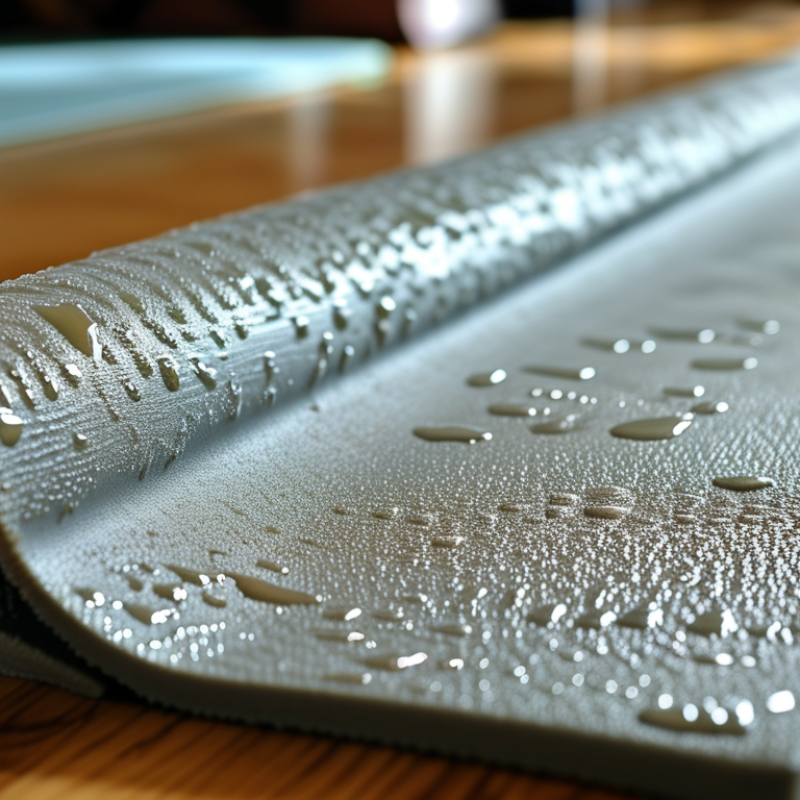
Why Clean Yoga Mats Without Ruining the Grip?
A yoga mat can lose traction after cleaning because its surface changes, not because it is simply “dirty.” Sweat, skin oils, and dust create a thin film. Detergent can remove that film, but leftover surfactant may create another slippery layer. In my experience, a mat may feel clean yet slide during Downward Dog. That contradiction is easy to miss.
Material also matters. Closed-cell foam, rubber, and polyurethane surfaces react differently to water, alcohol, and strong cleaners. ASTM D1894 evaluates plastic surface friction through static and kinetic coefficients. Static friction affects the first movement; kinetic friction affects continued sliding. Cleaning can reduce both when residue, excess moisture, or surface swelling changes contact. The U.S. Environmental Protection Agency’s Safer Choice guidance also stresses following dilution directions, because concentrated cleaners increase residue risk. There is no universal yoga-mat grip score, which makes casual advice imperfect.
Tips: Use a soft cloth, lukewarm water, and a small amount of mild detergent. Rinse the cloth repeatedly, rather than flooding the mat. Wipe again with clean water. Dry it flat, away from direct heat and strong sunlight. Test one corner first. If the surface still feels slick, repeat the water-only wipe. Do not judge grip while the mat is damp. A dry hand test is useful, but body weight reveals more. Personally, I used to clean too aggressively. The mat looked newer, but my palms worked harder. That was not better hygiene; it was poor surface care.
A yoga mat’s grip often depends on its material, not just its surface pattern. Check the care label before cleaning, even if the mat looks familiar. PVC usually tolerates diluted mild soap and a damp cloth. TPE needs less water because repeated soaking may weaken its texture. Natural rubber should avoid oils, bleach, and strong disinfectants. These substances can leave the surface slick or brittle.
Polyurethane-coated mats need special care. Wipe them gently instead of scrubbing. Use cool or lukewarm water, never very hot water. Cork surfaces can absorb moisture, so spray lightly and dry them completely. A strong rubber smell may suggest natural rubber, but smell alone is not reliable. Labels can fade. Texture, flexibility, and manufacturer instructions offer better evidence.
Test any cleaner on a hidden corner first. Wait until the area dries. I once used too much soap and created a slippery film across the center of my mat. That mistake changed my routine. Now I use a soft microfiber cloth, a small amount of diluted soap, and two clean-water wipes. No soaking. No rough brushes. Let the mat dry flat, away from direct heat, before rolling it. If grip remains poor after cleaning, the coating may be wearing away rather than simply carrying dirt.
| Common Mat Material | How to Identify It | Cleaning Limits | Grip-Safe Cleaning Method | Grip Damage Risk | Suggested Routine |
|---|---|---|---|---|---|
| PVC Polyvinyl chloride |
Usually smooth or lightly textured, dense, and relatively resistant to stretching. The material may feel slightly plastic-like. | Avoid harsh solvents, abrasive powders, stiff brushes, and prolonged soaking. Solvents can affect the surface finish and may leave it slippery. | Wipe with a soft cloth dampened with lukewarm water and a small amount of mild, unscented soap. Remove soap residue with a clean damp cloth, then air-dry flat. | Low to medium when cleaned gently |
After sweaty sessions; deeper cleaning every few weeks or when visibly soiled. |
| TPE Thermoplastic elastomer |
Lightweight, resilient, and often softer or more rubber-like than PVC. It may have a fine, closed-cell texture. | Do not use strong alcohol, bleach, essential oils, or high heat. Excess water can remain in textured areas and prolong drying. | Use a diluted mild-soap solution on a soft microfiber cloth. Wipe rather than saturate, rinse with a second damp cloth, and dry completely away from direct heat. | Medium if residue remains |
Wipe after each use; wash lightly when odor, sweat, or visible buildup develops. |
| Natural Rubber | Usually has a distinct rubber scent, a dense flexible feel, and a naturally grippy surface. It may be heavier than similarly sized foam mats. | Keep away from direct sunlight, ozone-producing devices, petroleum-based products, and strong detergents. These can accelerate surface aging or drying. | Clean with a manufacturer-approved or very mild diluted soap solution. Use a soft cloth, rinse away residue, and dry fully in a shaded, ventilated place. | Medium especially with oils or sunlight |
Wipe after use; perform a gentle deeper clean as needed. Store dry and protected from sunlight. |
| Cork Surface | Warm, wood-like appearance with visible natural flecks or pores. The cork layer is commonly bonded to a rubber or foam backing. | Do not scrub aggressively, use bleach, or leave it submerged. Excess moisture may affect the backing or adhesive and can encourage odor. | Wipe with a lightly damp cloth and mild soap if necessary. Use minimal water, clean both sides carefully, and dry completely before rolling. | Low with minimal moisture |
Wipe after sweaty sessions; allow extra drying time after humid or high-heat practice. |
| PU Surface Polyurethane-coated mat |
Often has a smooth, matte, leather-like surface designed to become grippier with moisture. It may be bonded to rubber or foam. | Avoid oils, silicone-based cleaners, waxes, abrasive sponges, and high concentrations of alcohol. These can leave a film or alter the finish. | Use a soft cloth with water and a small amount of mild soap. Wipe evenly, remove all residue with clean water, and let the mat air-dry fully. | High if oily residue remains |
Wipe after every use, particularly after applying body lotion or sunscreen. |
| EVA Foam Ethylene-vinyl acetate |
Very lightweight, cushioned, and often visibly foamy or textured. It may compress easily under pressure. | Avoid hot water, dryers, harsh chemicals, and prolonged soaking. Heat and excess moisture can deform the foam or affect bonding. | Spot-clean with a damp cloth and diluted mild soap. Do not wring or twist the mat. Press gently with a dry towel and air-dry flat. | Medium if texture becomes coated |
Spot-clean when needed; wipe regularly in high-sweat areas. |
| Jute or Fabric-Textured Surface | Visible woven fibers or a fabric-like top layer, usually laminated to rubber, PVC, or foam. | Avoid soaking, aggressive brushing, bleach, and high heat. Moisture trapped in the fibers or backing may cause odor or separation. | Vacuum or shake off dry debris first. Blot with a barely damp cloth and mild soap, then ventilate until completely dry. | Medium if fibers are flattened or coated |
Remove dry debris after use; spot-clean stains promptly rather than wet-washing the whole mat. |
A clean yoga mat should still feel secure under your palms. Sweat contains salts, skin oils, and proteins that can form a slippery film. Dirt adds another layer. The Global Wellness Institute’s 2024 Global Wellness Economy Monitor valued the wellness economy at $6.3 trillion in 2023, showing how many people rely on regular exercise spaces. Yet frequent cleaning can damage grip when soap residue remains behind.
I clean a mat with cool water, a soft microfiber cloth, and a small amount of pH-neutral detergent. Less is better. Wipe in one direction, then rinse the cloth and wipe again with clean water. Never pour a strong solution directly onto the surface.
The United States Environmental Protection Agency explains that cleaning removes dirt and organic matter, while disinfecting serves a different purpose. Routine practice usually needs careful cleaning, not aggressive chemicals.
Sweat marks around the hands deserve extra attention. Press the damp cloth there for several seconds before wiping gently. Avoid rough brushes, alcohol-heavy products, oils, and soaking. They can weaken texture or leave a polished patch.
I once used too much detergent and noticed a faint drag on the next session. That was my mistake. A small hidden-area test would have helped. Let the mat dry fully, away from direct heat, before rolling it. A slightly imperfect cleaning routine is safer than chasing a sterile surface and ruining the grip.
Yoga mats collect sweat, skin oils, and fine dust during every session. The 2024 Global Wellness Economy Monitor valued the global wellness economy at $6.3 trillion in 2023. That growth means more mats need careful, repeatable maintenance.
Texture matters more than a glossy appearance. ASTM D1894 separates static friction from kinetic friction, the two forces linked to initial grip and sliding.
I use lukewarm water, a few drops of mild soap, and a soft microfiber cloth. I wipe in one direction, then remove soap with a clean, damp cloth. No soaking. No abrasive brushes. Bleach and oily cleaners can soften surfaces or leave slippery films.
CDC guidance states that cleaning with soap and water removes most germs from surfaces. Disinfection should be reserved for appropriate situations and used only when the mat’s care guidance permits it.
Dry the mat fully, flat or loosely rolled, away from strong heat and direct sunlight. Trapped moisture can create odor and weaken some foams.
I once wiped a mat too aggressively, believing extra pressure meant better cleaning. It did not. The surface looked spotless, yet traction felt poorer. That mistake still influences my routine.
A small, hidden patch test is sensible, although it cannot predict every long-term change. Clean lightly, rinse thoroughly, and judge grip only after the surface is completely dry.
A clean mat should still feel dependable under your hands. The Global Wellness Institute reported that the wellness economy reached $5.6 trillion in 2022, reflecting how often people use wellness equipment. Frequent practice means frequent cleaning, but aggressive care can weaken surface texture. Start with lukewarm water and a small amount of mild soap. Wipe gently with a soft cloth. Avoid stiff brushes, soaking, and strong solvents. They may remove sweat, but they can also change the grip.
Drying matters just as much. The Centers for Disease Control and Prevention separates cleaning from disinfecting, so stronger chemicals are not always necessary. After wiping, press the mat with a dry towel. Then lay it flat in a shaded, ventilated area. Direct sunlight can heat and dry the surface unevenly. Never roll a damp mat. Trapped moisture may create odors and encourage microbial growth. It is tempting to hurry.
Tips: Test any cleaner on a hidden corner. Check the manufacturer’s care instructions when available. Store the fully dry mat loosely rolled, with the practice surface facing outward. Keep it away from radiators, hot car interiors, and sealed plastic bags. I once stored a slightly damp mat overnight, assuming it would recover. It did, but the smell lingered. Grip protection is not perfect. Inspect the surface monthly for cracking, glossiness, or unusual slipperiness.
Use lukewarm water, a soft microfiber cloth, and a few drops of pH-neutral detergent. Press the damp cloth over hand marks for several seconds. Wipe gently in one direction. Less works better.
Rinse the cloth thoroughly with clean water. Wipe the surface again until no slippery film remains. Do not pour water directly onto the mat. Check it after drying.
Usually, no. Routine cleaning removes sweat, oils, and dirt. Strong chemicals may weaken texture or reduce traction. Disinfection is a separate need.
Avoid rough brushes and heavy pressure. They may create a polished patch that feels slippery. Use a soft cloth instead. Gentle cleaning is safer.
Press it with a dry towel first. Lay it flat in a shaded, ventilated area. Keep it away from direct sunlight and strong heat. Never roll it while damp.
Roll it loosely with the practice surface facing outward. Keep it away from radiators, hot car interiors, and sealed plastic bags. Trapped moisture can create lingering odors. Dryness matters.
Yes. Apply a small amount to a hidden corner first. Let that area dry completely before checking texture and grip. A small test helps, but it cannot predict every long-term change.
Inspect the mat monthly for cracking, unusual glossiness, or slipperiness. Judge traction only when the surface is fully dry. I once used too much detergent and noticed extra drag later. That mistake changed my routine.
Keeping a yoga mat clean should not mean sacrificing the grip that supports every pose. This guide explains how to clean yoga mats without ruining the grip by first identifying the mat’s material and understanding its cleaning limits. Different surfaces can react poorly to strong chemicals, excessive water, abrasive tools, or oily products, all of which may leave residue, weaken texture, or make the mat slippery.
The article also covers practical ways to remove sweat, dust, and dirt while preserving traction. Gentle cleaning solutions, soft cloths, controlled moisture, and thorough rinsing can help maintain the mat’s natural surface without clogging its texture. Proper drying is equally important: the mat should be air-dried completely away from intense heat and stored loosely in a clean, dry place. With the right routine, regular cleaning can improve hygiene while protecting comfort, durability, and dependable grip.

Carpe fitness