How to Clean Yoga Mats Without Ruining Grip Tips and Tricks?

Time:2026-05-19 Author:Isabella
0%

Caring for your yoga mat is essential for maintaining its grip and longevity. Many practitioners wonder how to clean yoga mats without ruining the grip. The right cleaning methods can help you keep your mat fresh and safe for use. However, not all cleaning solutions are created equal.

At first glance, harsh chemicals might seem like a quick fix. Yet, they often damage the material and compromise grip. Natural alternatives are often overlooked, but they can be just as effective. Using a simple mixture of water and vinegar can refresh your mat without risking its integrity.

Remember, cleaning is not just about removing dirt. It’s also about preserving the texture that keeps you stable during poses. Regularly assessing your mat's condition and cleaning habits is crucial. Mistakes are common, and learning from them can lead to better practices. By knowing how to clean yoga mats without ruining the grip, you'll extend the life of your mat and improve your yoga experience.
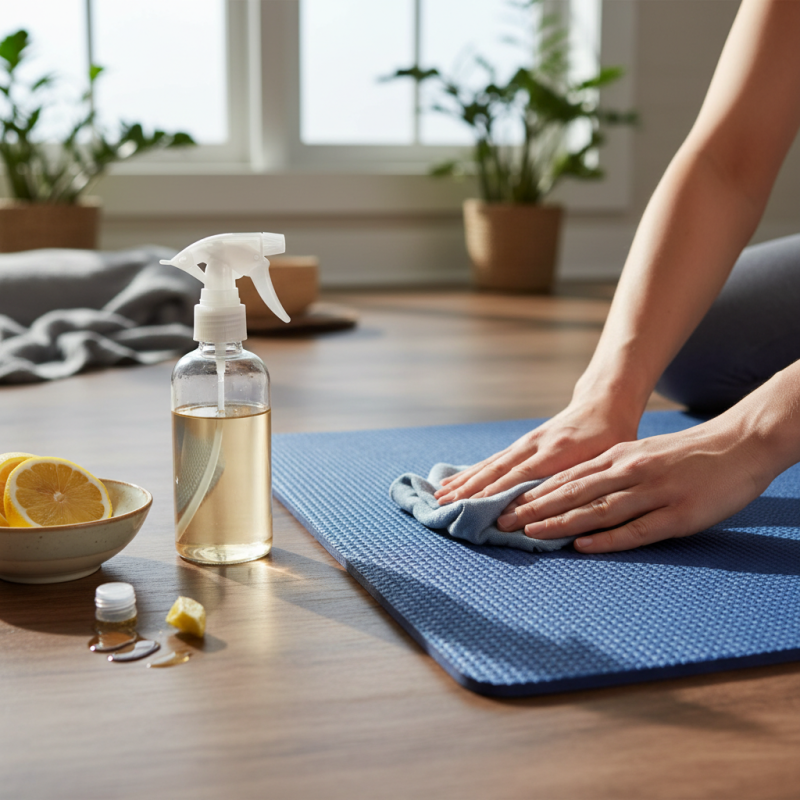
How to Clean Yoga Mats Without Ruining Grip Tips and Tricks?

Understanding the Importance of Cleaning Your Yoga Mat

Cleaning your yoga mat is essential for maintaining both hygiene and grip. Over time, sweat, oils, and dirt accumulate on the surface. This buildup can lead to slippage, making poses challenging and unsafe. Regular cleaning helps remove these contaminants, allowing for a better yoga experience.

Using natural ingredients like vinegar or baking soda can be effective. These substances cut through grime without damaging the mat. However, it is vital to test any cleaner in a small area first. Some mats are more delicate than others. A thorough rinse with water after cleaning is also necessary. This step ensures that no residue interferes with your practice.

It's easy to overlook your mat's condition. Yet, a dirty surface can undermine your dedication to yoga. Reflect on your cleaning routine; are you addressing it often enough? Pay attention to any changes in texture. A mat that feels sticky or slippery needs immediate attention. Building a consistent cleaning habit enhances your practice and longevity of the mat. Be mindful of these factors to ensure the best experience.

How to Clean Yoga Mats Without Ruining Grip Tips and Tricks? - Understanding the Importance of Cleaning Your Yoga Mat

Cleaning Method Effectiveness Grip Maintenance Drying Time Frequency of Cleaning
Water & Vinegar Solution Moderate Good 1-2 hours Weekly
Commercial Yoga Mat Cleaner High Excellent 30 minutes After every use
Mild Soap & Water Good Fair 1 hour Bi-weekly
Essential Oils & Water Low Poor Longer than 2 hours Once a month
Machine Wash (if allowed) Very High Good 4-6 hours Every few months

Choosing the Right Cleaning Solution for Your Yoga Mat

Choosing the right cleaning solution for your yoga mat is essential for maintaining its grip and longevity. Natural ingredients often work best, as they are gentle on the mat material. Vinegar mixed with water makes an effective and non-toxic cleaner. Use it in a spray bottle and test on a small area first. This can prevent unwanted reactions with your mat.

Some yoga mats may react negatively to strong chemicals. This could lead to decreased grip and damage over time. It’s wise to avoid bleach or harsh detergents. These can strip away the mat’s surface and affect its texture. Instead, look for solutions that focus on natural oils or plant-based ingredients.

Regular cleaning is vital, but moderation is key. Over-cleaning may wear down the mat quicker. Wipe down your mat after each use with a damp cloth. Aim for a deep clean once a month. This strikes a balance between care and longevity. Finding what works for you may take time. Experiment and observe how your mat responds to different methods.

Cleaning Solutions Effectiveness for Yoga Mats

Step-by-Step Guide to Washing Your Yoga Mat

Cleaning your yoga mat is essential for both hygiene and maintaining its grip. Studies reveal that yoga mats are breeding grounds for bacteria. According to a report by the American Journal of Infection Control, yoga mats can harbor up to 15 different types of bacteria. To keep your mat fresh, follow a step-by-step cleaning guide.

Begin with a basic solution of warm water and mild soap. Use a soft cloth or sponge to gently scrub the surface. Focus on areas that often accumulate dirt, like the sections where your hands and feet touch. Rinse thoroughly to ensure no soap residue remains. Let it air dry, avoiding direct sunlight which can degrade the material. A study from the National Center for Biotechnology Information emphasizes that improper cleaning can deteriorate the surface, reducing its grip.

Occasionally, give your mat a deeper clean. Soak it in a bathtub filled with warm water and a splash of white vinegar for 15 minutes. This method can kill many bacteria without damaging the mat. However, some mats may still lose texture over time, even with careful maintenance. Always consider how your chosen cleaning method affects your mat’s longevity and performance. Reflecting on these aspects may enhance your practice rather than detracting from it.

How to Dry Your Yoga Mat Without Losing Grip

Drying your yoga mat properly is crucial for maintaining its grip. After cleaning, avoid direct sunlight as it can degrade the material. Instead, lay your mat flat in a cool, shaded area. This prevents unwanted warping and retains the grip. If space is limited, you can hang the mat over a sturdy, clean surface.

Keep in mind that some mats may take longer to dry than others. Monitor the drying process and check for dampness before rolling it up. A damp mat can develop odor and bacteria. Regularly inspecting your mat after washing can help identify any issues early on.

If you're in a hurry, you might consider using a towel to soak up excess moisture before laying it flat. This speeds up drying, yet still allows the mat to breathe. Remember, taking the time to properly dry your mat is an investment in your practice and longevity of your gear.

Tips for Maintaining Grip After Cleaning Your Yoga Mat

After cleaning your yoga mat, maintaining its grip is essential. A clean mat enhances your practice but can sometimes lose grip if not dried properly. To prevent this, air-dry your mat in a well-ventilated area. Avoid direct sunlight. Sunlight may cause the material to degrade over time. Instead, use a towel to pat it dry gently.


Using a vinegar-water solution for cleaning can help without stripping the grip away. However, be mindful not to overdo it. Too much solution may leave residues. Also, consider using a natural cleaner specifically designed for yoga mats. These products are often gentle and maintain the integrity of the mat’s material.


Store your mat rolled up, not folded. Folding can lead to creases that affect grip during practice.

Regularly check for wear and tear. A mat that feels slippery might need a replacement. Even the best mats wear out over time. It’s a natural part of the journey. Ensure you clean it after heavy use, especially if you sweat a lot. This frequency will help keep the grip intact. Ultimately, protect your mat as you would any essential tool.

FAQS

: Why is it important to clean my yoga mat?

: Cleaning your yoga mat maintains hygiene and grip. Dirt and sweat can cause slippage, making poses unsafe.

What natural ingredients can I use to clean my mat?

Vinegar and baking soda are effective natural cleaners. They remove grime without harming your mat.

Should I test the cleaner on my mat?

Yes, always test any cleaner in a small area first. Some mats are more delicate and can react poorly.

How should I rinse my mat after cleaning?

A thorough rinse with water is necessary. This helps remove any cleaning residue that may interfere with your practice.

How often should I clean my yoga mat?

Wipe down your mat after each use. Aim for a deep clean once a month to keep it in good condition.

What should I watch for in my mat's texture?

Pay attention to changes in texture. A sticky or slippery mat needs immediate cleaning and care.

Can strong chemicals damage my yoga mat?

Yes, strong chemicals can harm the mat. They may strip away surface and reduce grip over time.

Why is moderation important in cleaning?

Over-cleaning can wear your mat down faster. Balance regular care and cleaning to prolong its life.

How can I build a consistent cleaning habit?

Reflect on your routine and set reminders. Make cleaning part of your post-yoga ritual for better consistency.

What if I’m unsure which cleaning method to choose?

Experiment with different methods and observe how your mat responds. Finding the right cleaning routine takes time.

Conclusion

Cleaning your yoga mat regularly is essential to maintain its grip and hygiene. Understanding the importance of cleaning your yoga mat lays the foundation for good practice. Choosing the right cleaning solution is crucial; natural products often work best without compromising the material.

The process involves a comprehensive step-by-step guide to washing your yoga mat effectively, followed by proper drying techniques to ensure that you don’t lose grip. After cleaning, maintaining that grip is equally important, and using specific tips can help you achieve this. By learning how to clean yoga mats without ruining the grip, you can enjoy a safer and more pleasant yoga experience, keeping your practice both clean and effective.

Isabella

Isabella

Isabella is a dedicated marketing professional with a sharp focus on driving brand growth and engagement through strategic content creation. With an extensive background in digital marketing, she combines her passion for storytelling with her keen understanding of industry trends to deliver......