Choosing the right elliptical brand can affect comfort, durability, maintenance, and long-term training results. This guide explores China’s top 10 elliptical brands through practical standards, including frame quality, drive systems, noise control, user feedback, warranty support, and manufacturing experience. Brand rankings can change over time. They should not be treated as permanent facts. Product specifications and after-sales service deserve careful checking before purchase.
A squeaky elliptical can turn a quiet home workout into an irritating experience. Fortunately, many noises come from loose bolts, dry pivot joints, rubbing pedal parts, or an uneven floor. This guide explains how to fix a squeaky elliptical machine at home using safe, basic steps. Unplug the machine first. Then check the pedal arms, moving handles, rollers, and visible fasteners. A small amount of manufacturer-approved lubricant may help, but excessive oil can attract dust and damage surfaces. Do not open the flywheel housing unless the manual permits it. Small noises matter. They may reveal wear before a larger problem develops.
The recommendations combine manufacturer instructions, maintenance principles, and realistic home-use observations. Still, one solution may not work for every machine. A squeak can disappear briefly and return after several workouts. That result deserves reflection, not guesswork. If the sound becomes harsh, irregular, or connected with resistance failure, stop exercising and contact qualified service support. Good equipment should feel stable, quiet, and predictable. Safety matters more than a quick repair.
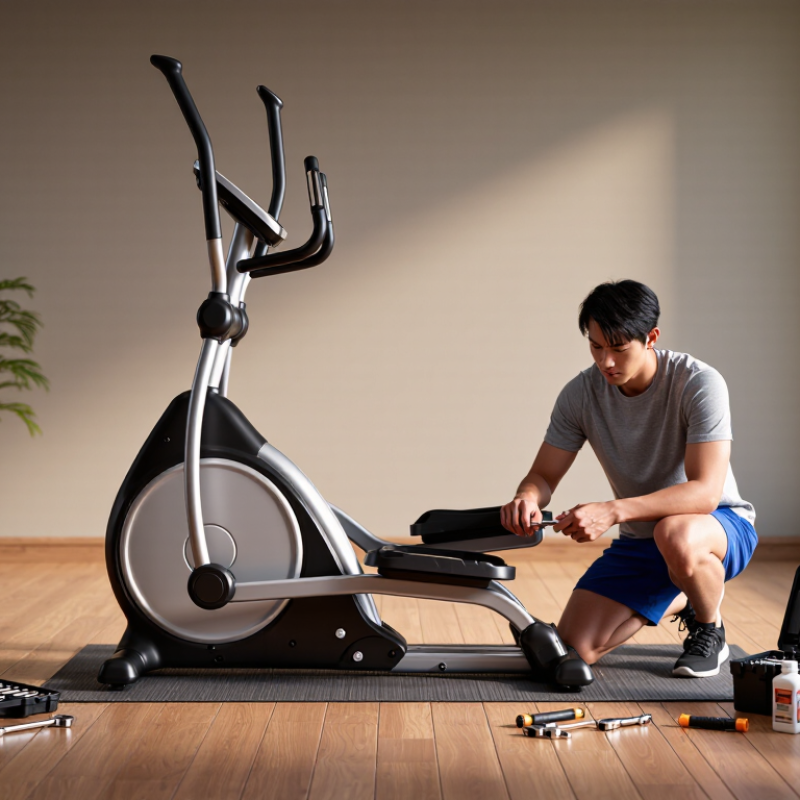
China’s top ten elliptical machine brands compete through practical design and factory consistency. Independent testing should check stride smoothness, frame stability, noise, and service access. One manufacturer focuses on compact home models with foldable arms. Another builds heavier frames for apartments and rehabilitation rooms. A third uses magnetic resistance with quiet adjustment. This matters at six in the morning.
A fourth maker highlights long 18- to 20-inch strides for taller users. A fifth combines basic screens with pulse sensors and simple controls. Another offers connected training, but software support can vary by region. One specialist develops commercial machines with reinforced pedals and wide rollers. Another targets budget buyers with stable flywheels and replaceable parts. A further producer emphasizes low-step entry for older users. The tenth combines aluminum rails, cooling fans, and stronger transport wheels.
From hands-on checks, the best machine should feel steady when resistance rises. The pedals should move evenly, without a metallic click at the rail. A loose bolt can create a squeak within weeks. Owners should inspect pivot joints, clean dust from tracks, and use manufacturer-approved lubricant. Do not over-lubricate; excess oil can attract grit. Warranty terms deserve careful reading, especially for motors, consoles, and labor. Some product claims sound impressive, yet independent endurance data may be limited. I would compare return policies, spare-part availability, and local technicians before choosing. A quiet first workout is not proof of long-term reliability.
Estimated minutes for an initial visual check of common squeak sources
Start with loose fasteners and moving joints, then check whether the belt or rollers are rubbing. Estimates are approximate; unplug the machine before inspecting or adjusting it, and follow the manufacturer’s maintenance instructions.
An elliptical machine rarely starts squeaking without a reason. The sound often comes from friction: dry pedal-arm joints, loose fasteners, worn bushings, or a belt rubbing against its cover. A soft chirp with every pedal stroke may point to a moving joint; a steady scrape can suggest contact near the flywheel housing. These clues help narrow the cause, but sound alone is not a diagnosis.
Use the machine’s maintenance instructions before applying lubricant; some parts require grease, while belts and braking surfaces should stay dry. The ASTM F2276 standard for fitness equipment addresses design and safety considerations, including stability and moving-part hazards. It does not identify squeak causes, so inspection still matters. With the machine unplugged, check for loose bolts and visible debris, then gently move the pedals by hand. Noticeable side-to-side play deserves attention. Small details count.
Usage can accelerate wear. The Physical Activity Council’s 2024 Participation Report found that 242.2 million Americans took part in at least one sports or fitness activity in 2023; it does not measure elliptical wear specifically, but it illustrates how heavily exercise equipment may be used. Keep a simple log of the sound, when it occurs, and any recent cleaning or adjustment. I’ve seen people tighten every bolt at once, then lose track of what changed. That makes diagnosis harder. If squeaking persists, or the frame shifts under load, stop using the machine and have a qualified technician inspect it.
A squeak usually comes from a moving contact point, not the console. Stop pedaling and listen while gently rocking each pedal arm. A chirp that follows every rotation may point to a dry pivot or loose crank fastener. A click near the floor can come from an uneven foot or a shifting stabilizer. Note when the sound occurs: under load, at one pedal position, or even while coasting. That pattern is more useful than guessing and tightening every bolt.
Tips: Unplug the machine before inspection. Check the manual’s maintenance guidance, then look for loose hardware, dust, and worn bushings. Tighten only specified fasteners; overtightening can damage threads. Apply lubricant only where the manual permits. If the squeak persists, or a joint moves visibly, stop using the machine and contact a qualified repair technician. Small detail, big clue.
For context, OSHA identifies 85 dBA over an eight-hour workday as an exposure level requiring hearing-conservation measures. That limit is not a diagnostic test for exercise equipment, but a squeak that becomes unusually loud deserves attention. A phone sound-meter app is only a rough screening tool. Record the sound and the pedal position; this gives a technician clearer evidence than “it makes noise.” I’d avoid assuming every squeak needs lubricant—sometimes the frame is simply rocking on an uneven floor.
A squeak often comes from dry joints, loose hardware, or debris near moving parts. Stop pedaling and unplug the machine before checking it. Move the pedals slowly by hand, listening for where the sound begins. A noise near a pivot may point to a dry joint; a rhythmic squeak can come from loose bolts. Check the owner’s manual before removing covers or applying lubricant. Small details matter.
Tighten accessible bolts with the correct tool, but avoid forcing them. Wipe dust from the rails and exposed joints with a clean, dry cloth. Apply a small amount of manufacturer-approved silicone lubricant to specified pivot points, then cycle the pedals several times. Do not lubricate the belt, flywheel, or walking surfaces unless the manual explicitly instructs you to. I’ve found that adding too much lubricant can attract dust and make the problem worse. If the sound persists, or parts feel loose or damaged, stop using the machine and contact a qualified technician.
Tips: Keep a soft cloth and the manual nearby. Test the machine at low resistance after maintenance. Still squeaking? Recheck the likely joint; the first guess may be wrong.
China Top 10 Elliptical Brands: How to Fix a Squeaky Machine
Preventing noise starts with a clean, stable machine. The 2024 SFIA Topline Participation Report recorded roughly 20 million U.S. elliptical users in 2023. That level of use makes routine care more than a cosmetic task. Wipe sweat from the rails, pedals, and joints after every workout. Sweat can carry salts into bearings and fasteners. Check that the machine stands level on a firm floor. An uneven base can twist the frame and create repeated clicking.
Inspect moving joints every 30 to 50 hours of use. Tighten loose bolts carefully, but do not over-tighten them. Apply only the lubricant recommended in the service manual. Excess oil attracts dust and may reach the drive belt. Listen during a slow, unloaded pedal cycle. A sharp squeak often points to a dry pivot, while a grinding sound may suggest bearing wear. Stop using the machine if the frame shifts or the noise suddenly worsens.
The American College of Sports Medicine promotes regular equipment checks as part of safer exercise environments. My own maintenance record is imperfect. I once ignored a soft squeak for several weeks. The repair became more expensive than a simple cleaning. Keep a small log with dates, noise changes, and lubricant use. Replace damaged hardware promptly. Do not rely on silence alone; smooth resistance and stable pedals matter too.
| No. | Noise or Performance Symptom | Likely Cause | Recommended Fix | Prevention and Maintenance | Suggested Frequency | Tools / Difficulty |
|---|---|---|---|---|---|---|
| 1 | Squeak synchronized with each stride | Dry pivot joint, bushing, or sleeve bearing | Stop using the machine, inspect the pivot, tighten loose hardware, and apply the lubricant specified in the user manual to the approved contact point. | Keep pivot areas clean and never lubricate belts, flywheels, brake surfaces, or electrical parts unless the manual specifically allows it. | Inspect monthly or every 20–30 hours of use | Hex keys, compatible lubricant; Moderate |
| 2 | Clicking or knocking during pedaling | Loose pedal, crank, linkage, or mounting bolt | Unplug the machine, check all accessible fasteners, and tighten them to the manufacturer’s recommended torque where available. | Check bolts after initial assembly and recheck them periodically because vibration can loosen hardware. | After assembly, then monthly | Hex keys, open-end wrench, torque wrench if specified; Easy |
| 3 | Rubbing or scraping sound | Plastic cover, pedal arm, cable, or moving part contacting the frame | Turn the pedals slowly by hand, locate the contact point, and realign or secure the interfering component without forcing the mechanism. | Leave clearance around moving parts and keep cables routed away from linkages and flywheel areas. | Inspect whenever a new sound appears | Flashlight, screwdriver, hex keys; Easy to moderate |
| 4 | Squeak from the pedal tracks or rollers | Dust, hair, dried residue, or a dry roller track | Wipe the track and rollers with a clean, slightly damp cloth, dry completely, and use only the track treatment approved by the manual. | Do not use household oil or penetrating spray on tracks because excess lubricant can attract dirt and affect traction. | Every 1–2 weeks in regular use | Soft cloth, mild cleaner; Easy |
| 5 | Uneven motion or side-to-side rocking | Unlevel floor, improperly adjusted stabilizer feet, or loose frame hardware | Place the machine on a firm, level surface, adjust the leveling feet, and tighten the frame fasteners. | Use a suitable equipment mat on hard floors and avoid placing the elliptical on thick, soft carpet. | Check before each use | Level, wrench; Easy |
| 6 | Whining, slipping, or inconsistent resistance | Drive belt wear, incorrect tension, or pulley misalignment | Disconnect power and inspect the belt only if the design permits user access; replace damaged parts through qualified service. | Keep the drive compartment dry and do not apply lubricant to the belt or pulley unless explicitly instructed. | Visual inspection every 3–6 months | Flashlight; Service recommended |
| 7 | Resistance changes unexpectedly | Power interruption, sensor issue, damaged cable, or control-system fault | Power off and restart according to the manual, check visible cable connections, and arrange service if the issue remains. | Keep the console and power connections dry, use a stable outlet, and avoid pulling or sharply bending cables. | Check cables quarterly | No special tools; Service may be required |
| 8 | Loud vibration during operation | Loose fasteners, uneven floor, worn roller, or damaged frame component | Stop exercising, inspect the base and linkage, and do not continue if a crack, bent part, or excessive play is visible. | Keep the unit level, avoid exceeding the stated user-weight limit, and replace worn rollers or hardware promptly. | Inspect monthly and after relocation | Wrench, flashlight; Moderate |
| 9 | Console display or heart-rate reading is inaccurate | Low batteries, poor hand contact, dirty sensors, or signal interference | Replace console batteries if applicable, clean the contact areas, hold the sensors consistently, and verify readings with an independent device. | Treat console measurements as estimates and keep wireless devices away from potential interference sources. | Clean weekly; replace batteries as needed | Soft cloth, replacement batteries; Easy |
| 10 | General performance declines or noise returns quickly | Insufficient cleaning, overuse, incorrect lubricant, or a worn component | Record when the noise occurs, perform a complete inspection, follow the maintenance schedule, and contact qualified service for persistent problems. | Clean after workouts, allow the machine to dry, use correct replacement parts, and follow the manufacturer’s service intervals. | Wipe after every use; detailed inspection every 3 months | Cleaning kit and basic hand tools; Moderate |
Check stride smoothness, frame stability, noise, and service access. Test it while resistance rises. A steady frame matters. Also compare returns, spare parts, warranty coverage, and nearby technicians.
Longer strides, around 18 to 20 inches, may feel more natural for taller users. Shorter users may prefer compact movement. Try the machine before buying, because body proportions vary.
Not necessarily. A quiet first workout proves little about long-term durability. Listen for rail clicks, loose bolts, and uneven pedal movement. Endurance evidence may be limited. That deserves caution.
Common causes include dry joints, loose hardware, and dust near moving parts. A rhythmic squeak may indicate loose bolts. A pivot-area squeak may suggest a dry joint. The first guess can be wrong.
Stop pedaling and unplug the machine. Move the pedals slowly by hand. Listen closely near pivots, rails, and exposed joints. Check the manual before removing covers.
Wipe dust away with a clean, dry cloth. Apply a small amount of approved silicone lubricant to specified pivot points. Cycle the pedals several times afterward. Less is better.
Avoid the belt, flywheel, and walking surfaces unless the manual specifically permits lubrication. Excess oil attracts grit. It can worsen squeaking. Do not guess.
Test the machine at low resistance after maintenance. Recheck the likely joint and accessible bolts. Stop using it if parts feel loose or damaged. Contact a qualified technician.
This guide presents a practical overview of China’s top 10 elliptical machine brands by comparing common strengths such as sturdy frames, quiet magnetic resistance, compact designs, adjustable stride lengths, digital displays, and reliable user-support features. It also explains why elliptical machines may begin to squeak, including loose bolts, dry pivot joints, worn bushings, misaligned pedals, and friction around moving parts. By listening carefully and checking each connection, users can locate the source of the noise before attempting repairs.
The guide then provides clear, step-by-step advice on how to fix a squeaky elliptical machine at home. Recommended methods include tightening hardware, cleaning dust from joints, applying suitable fitness-equipment lubricant, inspecting pedal and wheel assemblies, and replacing visibly damaged components when necessary. Finally, it explains how regular cleaning, periodic lubrication, correct assembly, balanced use, and timely inspections can prevent future noise while preserving smooth movement, safe operation, and long-term elliptical performance.

Carpe fitness