7 Best Wearables for Tracking Recovery?

Time:2026-11-09 Author:Oliver
0%

Recovery is not a single number on a screen. It shows up in small patterns: a higher-than-usual resting heart rate, restless sleep, or legs that still feel heavy after an easy run. Wearables can help reveal those patterns, but their scores are estimates, not medical diagnoses. Your baseline matters more than a dramatic color-coded alert.

This guide to the 7 best wearables for tracking recovery compares devices by the signals they measure, how clearly they present trends, and how practical they are to wear every day. It also explains how to track recovery using only wearable technology, from checking sleep duration and heart-rate variability to noticing changes across several days. Consistency helps; a loose watch, missed nights, or late workouts can make readings harder to interpret. The data can be messy.

A useful device should offer more than a polished dashboard. It should make meaningful changes easy to spot without encouraging you to treat every dip as a warning. A score may suggest that you take an easier day, but it cannot explain every cause of fatigue. Context still counts: stress, travel, illness, and training all shape how you feel. There is a catch: no wearable can replace paying attention to your body.
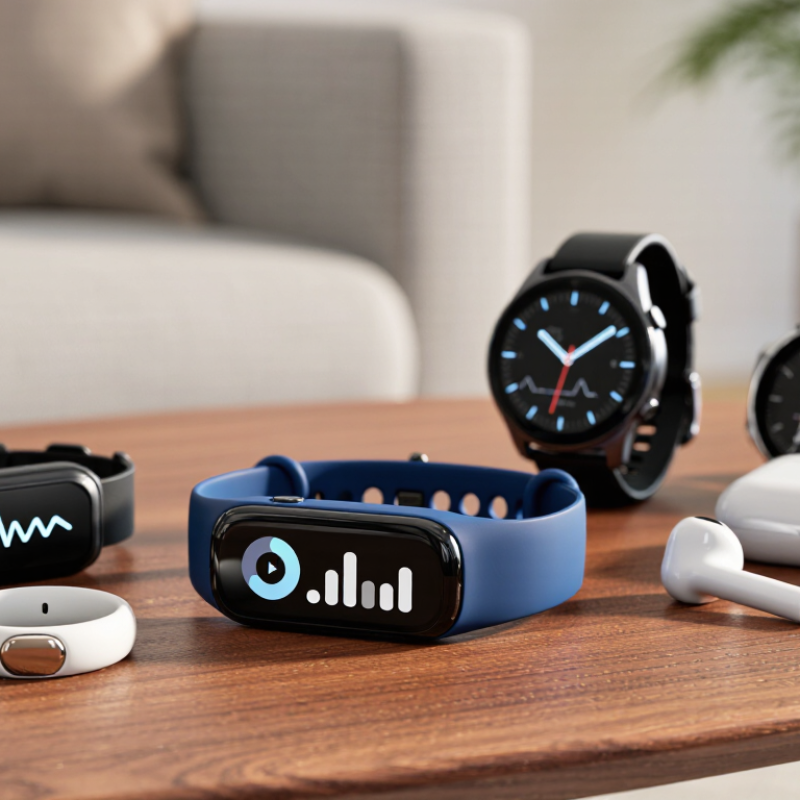
7 Best Wearables for Tracking Recovery?

How Wearables Estimate Physical Recovery

Wearables do not measure “recovery” directly. They estimate it from signals such as overnight heart rate, heart-rate variability, sleep, skin temperature, and recent activity. A device may compare these readings with your personal baseline, then flag a higher resting pulse or lower-than-usual HRV. Small changes matter. A restless night, late meal, or hard training session can shift the numbers, but none proves that your body is unready. The ACSM’s 2024 Worldwide Survey of Fitness Trends ranked wearable technology first. That signals professional interest, not proof that every recovery score is accurate.

Look for patterns across several days, not a verdict from one morning. For example, a rising resting pulse alongside shorter sleep and heavy legs may justify an easier session. HRV can vary with stress, illness, hydration, and measurement conditions, so compare readings taken at similar times. Useful, but incomplete. Sensor fit, movement, and algorithm choices can also affect results. A score may look precise while hiding uncertainty. Treat it as one clue, then check how you feel and how you perform. That judgment is imperfect, too; writing down sleep, soreness, and training load can reveal when the device’s estimate repeatedly misses your experience.

Key Recovery Metrics and Sensors

Recovery tracking depends on a few signals, not one magic score. Heart rate variability (HRV) reflects changes in timing between beats, while resting heart rate can show shifts from your usual pattern. Optical sensors measure blood flow at the wrist, but loose fit, cold skin, and movement can distort readings. Small details matter.

Sleep duration and consistency add useful context. An accelerometer detects movement, while optical sensors estimate sleep and wake periods. These estimates are not the same as a clinical sleep study. Some wearables also track breathing rate and skin temperature overnight. A warmer-than-usual reading may follow a hard workout, a late meal, or a warm bedroom. It does not identify the cause by itself.

Compare trends with your own baseline, ideally across several weeks. A single low HRV reading after a restless night can be misleading. Not always obvious. Notes about training, travel, stress, and illness can help explain changes. I would treat a recovery score as a prompt to check how you feel, not an instruction to skip or push through exercise. Wrist sensors also miss context: hydration, medication, and personal variation can affect the numbers.

Seven Wearables for Tracking Recovery

Seven wearables can offer different clues about recovery: a wrist watch, smart ring, chest strap, upper-arm band, sleep headband, sensor-equipped shirt, and clip-on activity tracker. Watches and rings often estimate resting heart rate, sleep, and heart-rate variability. Chest straps can capture heart-rate changes during exercise, while upper-arm bands may stay steadier during movement. Headbands focus on sleep signals; shirts can track breathing or movement. Clip-on trackers mainly record daily activity. These tools do not measure recovery directly. Their scores are estimates, not diagnoses.

Look for patterns across several days, rather than reacting to one low score. For example, a higher-than-usual resting heart rate after a late, restless night may suggest taking an easier session. But heat, stress, dehydration, and sensor fit can also shift readings. I once trusted a neat-looking score too much; the number could not explain how I actually felt. A wearable is useful evidence, not the whole story.

Tips: Wear the device consistently, check its fit, and compare readings with your sleep, energy, and soreness. Keep notes beside the data. If a metric seems strange, repeat the measurement before changing your routine. Recovery is personal. A trend matters more than a perfect-looking number.

Comparing Accuracy, Comfort, and Cost

Recovery wearables combine overnight heart rate, heart-rate variability, sleep, and activity data into a readiness score. Treat that score as an estimate, not a medical finding. A Stanford-led 2017 study in Nature Biotechnology tested seven wrist-worn devices with 60 adults. Average heart-rate error was 5.1%, while energy-expenditure error averaged 27.4%. Recovery scores are not identical to either measure, but the results show why precise-looking numbers deserve caution. Sleep estimates also cannot reveal every cause of fatigue.

Comfort affects whether you wear a device consistently. A tight strap can leave marks; a loose one may disrupt readings. Small irritations add up. The American Academy of Sleep Medicine has cautioned that consumer sleep technology should not replace validated testing. Cost comparisons should include recurring fees, not just the purchase price: a lower-cost tracker without a subscription may cost less over a year than a feature-rich device with monthly charges. Check whether the features you need—such as overnight heart-rate trends—require a paid plan. Real-world wear matters, and I would not choose a device based on its readiness score alone.

Choosing a Wearable for Your Recovery Goals

Choosing a wearable starts with the question you want it to answer. For sleep recovery, prioritize overnight heart rate, heart-rate variability, and consistent sleep-duration trends. For training recovery, look for clear workload records and a simple way to compare hard days with easier ones. A bright screen full of scores can distract from the basics.

Wearable technology ranked first in the American College of Sports Medicine’s 2024 Worldwide Survey of Fitness Trends. Popularity, though, does not guarantee accuracy. In a 2017 Stanford-led study of 60 adults, the best-performing device measured heart rate with less than 5% error. Energy-expenditure errors ranged from 27% to 93% across the devices tested. Treat calorie estimates cautiously. That matters.

Use trends, not single-night verdicts. Compare your readings with your own baseline, since normal heart-rate variability differs between people. A low score after a late meal, a warm bedroom, or a restless night may reflect several factors—not just training strain. Wear the device consistently, but also note how you feel and perform. If its scores repeatedly clash with your experience, reconsider which metric you trust. The data can inform choices; it cannot diagnose an injury or replace professional advice.

FAQS

Do wearables measure physical recovery directly?

No. They estimate it using signals such as overnight heart rate, heart-rate variability, sleep, skin temperature, and recent activity. Their scores are clues, not diagnoses.

Which readings can help track recovery?

Resting heart rate, heart-rate variability, sleep duration, and recent workload can reveal useful patterns. A higher pulse and shorter sleep may be worth noticing. One reading is not enough.

Why should I compare several days of readings?

Daily numbers can shift after a hard session, restless night, late meal, or stressful day. Trends across several days give more context. Still, patterns can be imperfect.

Can a low recovery score prove I should skip training?

No. It may suggest an easier session, especially alongside heavy legs or poor sleep. Check how you feel and perform before deciding. The score cannot know everything.

How do different wearable types track recovery?

Watches and rings often estimate sleep, resting heart rate, and HRV. Chest straps focus on exercise heart-rate changes, while headbands emphasize sleep signals. Clip-on trackers mainly record activity.

What can affect wearable readings?

Sensor fit, movement, heat, stress, dehydration, and measurement timing can change readings. Compare measurements taken under similar conditions. Fit matters.

Are wearable calorie estimates reliable?

They can be substantially off. One study found energy-expenditure errors ranging from 27% to 93% across tested devices. Treat calorie numbers cautiously.

How should I choose and use a recovery wearable?

Choose readings that match your goal, such as sleep trends or training workload. Wear it consistently, check its fit, and keep notes on sleep, soreness, and energy. If the data repeatedly clashes with your experience, reconsider which metric you trust.

Conclusion

Wearables estimate physical recovery by combining signals such as heart rate, heart rate variability, sleep patterns, activity levels, and temperature trends. These measurements can help reveal whether the body appears ready for another demanding workout or may benefit from more rest. However, each device uses different sensors and methods, so readings are best viewed as indicators rather than definitive health assessments.

This overview compares seven types of wearables for tracking recovery, considering their measurement accuracy, comfort, and cost. It also explains how to match a device to personal goals, whether you want a simple view of sleep and daily activity or more detailed training insights. Learning how to track recovery using only wearable technology means looking for consistent patterns over time, interpreting metrics in context, and choosing a comfortable device whose features suit your routine and budget.

Oliver

Oliver

Oliver is a seasoned marketing professional with a wealth of expertise in driving brand awareness and engagement. With a deep understanding of our company's product offerings, he consistently delivers high-quality content that enriches our professional blog. His insights not only shed light on......