2026 Best Treadmill or Exercise Bike for Weight Loss?

Time:2026-11-23 Author:Oliver
0%

Choosing between a treadmill and an exercise bike can feel like choosing between two very different workouts. One gives you the steady thud of walking shoes; the other, a low-impact ride while seated. If you’re asking, “should i buy a treadmill or an exercise bike for weight loss,” start with a practical question: which one will you use most weeks?

The American College of Sports Medicine’s 2009 position stand, co-authored by exercise scientist John Jakicic, links higher weekly activity volumes with greater weight loss. Its practical takeaway is that consistent exercise matters more than the machine’s label. The World Health Organization recommends 150–300 minutes of moderate aerobic activity each week for adults. Neither guideline says one machine is universally better. Your pace, workout length, comfort, and food intake all affect results. Console calorie counts are estimates, not measurements.

Here’s the trade-off. A treadmill supports walking and running, but impact may bother some knees or ankles. A stationary bike is generally lower impact, though fit and resistance still matter. A bike may feel easier on sore joints. A treadmill may make brisk walking simpler. Neither guarantees weight loss. That part is easy to overpromise.

There is no perfect machine. Before buying, test both if possible, check noise and floor space, and ask whether you can picture using it on a tired Tuesday. This is not a head-to-head clinical verdict. It’s a decision about sustainable movement, backed by established activity guidance—not a promise of rapid results.
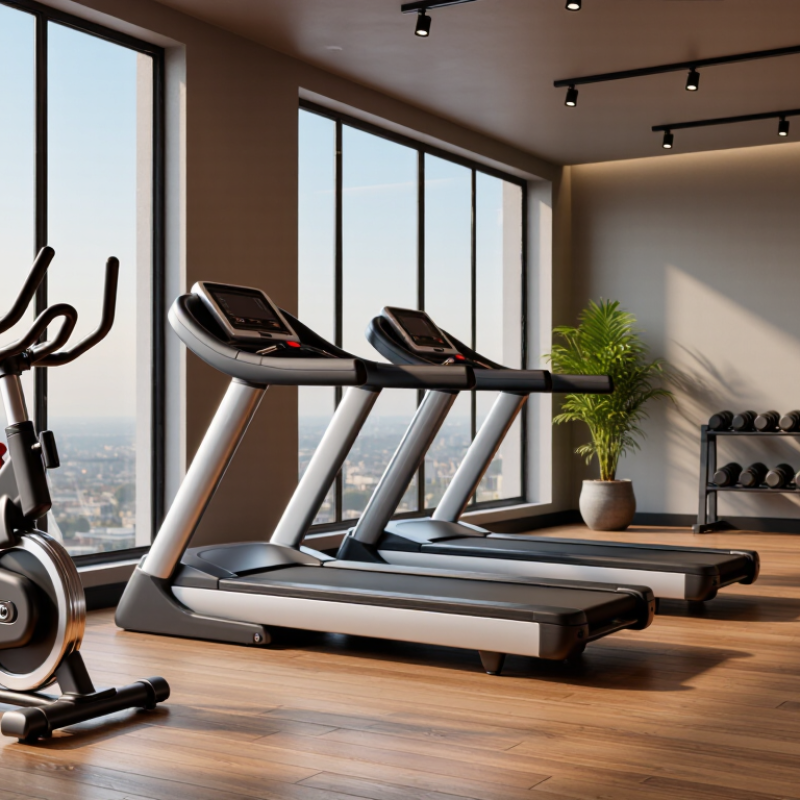
2026 Best Treadmill or Exercise Bike for Weight Loss?

How Treadmills and Exercise Bikes Support Weight Loss

A treadmill and an exercise bike can both support weight loss by increasing weekly activity and energy use. The 2024 Adult Compendium of Physical Activities estimates level treadmill walking at 3.5 mph at about 4.8 METs, and moderate stationary cycling at about 6 METs. METs describe exercise intensity, not pounds lost. That distinction matters: body weight, pace, resistance, and fitness change the calories someone uses.

Treadmill walking 3.5 mph at about 4.8 METs
Stationary cycling Moderate intensity at about 6 METs

The CDC recommends at least 150 minutes of moderate-intensity activity each week for adults; more activity may provide additional benefits.

A brisk treadmill walk can make that target feel practical: set a comfortable pace, then add a slight incline if it remains manageable. On a bike, adjust resistance until breathing quickens while conversation stays possible.

Keep it repeatable. A sweaty first ride is not a reliable measure of progress, and the Compendium’s estimates are blunt averages.

Some people find a bike easier on their joints; others prefer walking because it fits naturally into their day. The better choice is usually the one they can keep using.

How Calorie Burn Varies by Workout Intensity and Duration

2026 Best Treadmill or Exercise Bike for Weight Loss?

Calorie burn depends more on effort and time than the machine alone. A treadmill can raise effort quickly with brisk walking, jogging, or a gentle incline. An exercise bike lets you adjust resistance while keeping impact low. At the same perceived effort, either can provide a useful workout. Body size, fitness, and movement efficiency also affect energy use, so two people may see different results.

For example, twenty minutes of easy pedaling may burn less than a longer, steady ride. Hard intervals can increase effort, but a short, intense session does not automatically beat a longer moderate workout. Recovery matters; tired legs can make tomorrow’s session harder to complete. Machine calorie displays are estimates, not precise measurements. It is tempting to treat the number as a score, but consistency and a sustainable overall routine matter more for weight change.

Tips: Choose a pace you can repeat. Try adding a few minutes or a small resistance increase, not both at once. Note how you feel and recover. If you have a health concern, ask a qualified health professional before changing exercise intensity.

How Joint Impact and Fitness Level Affect Equipment Choice

2026 Best Treadmill or Exercise Bike for Weight Loss?

Joint comfort can shape whether a workout becomes a habit. A treadmill allows natural walking, but running and steep inclines create more impact with each step. If your knees or ankles feel sensitive, start with a level walking pace and notice how you feel later that day. An exercise bike supports your body and usually reduces impact, though a poorly adjusted seat can still irritate your knees. Aim for a slight bend in the knee when the pedal is at its lowest point.

Fitness level matters, too. New exercisers may find short, easy sessions on either machine more manageable than hard intervals. Try ten minutes at a pace that still lets you speak in brief sentences. Then increase duration gradually, rather than chasing a calorie number on the display. Small steps count. A bike may feel easier on sore joints, while treadmill walking can better match everyday movement; neither choice guarantees more weight loss. Consistent activity, recovery, and eating habits also matter. This guidance is useful, but imperfect: pain, balance, and past injuries can change the best choice. If discomfort persists or you have a health condition, ask a qualified clinician or physical therapist before increasing intensity.

How to Choose the Right Machine for Your Goals and Space

Choosing between a treadmill and an exercise bike starts with the movement you can repeat. A treadmill suits brisk walking or running and lets you adjust speed and incline. It can feel demanding on knees and ankles, especially if you increase intensity too quickly. A bike offers seated, lower-impact exercise, though an uncomfortable saddle can make longer sessions unpleasant. Try the position before committing. Comfort matters.

Your room matters as much as your workout plan. Measure the machine’s footprint while it is in use, not only when folded. Leave room to step on and off safely, and check ceiling height if you plan to run. A treadmill may need more open floor space and can transmit footfall noise. A bike is often easier to place in a corner, but still needs airflow and a clear exit path. Measure twice.

Be honest about what you will use on an ordinary weekday. If walking while watching a show feels realistic, a treadmill may fit. If you prefer short, steady rides, a bike could be easier to maintain. Neither machine guarantees weight loss; consistent activity and eating habits also matter. Start with sessions you can recover from, then build gradually. I would not choose by calorie displays alone: estimates vary, and the perfect machine on paper may still gather dust.

2026 Best Treadmill or Exercise Bike for Weight Loss? - How to Choose the Right Machine for Your Goals and Space

Comparison Factor Treadmill Exercise Bike How to Choose
Weight-loss potential Supports walking, jogging, and running. Higher speeds or inclines can make a workout more demanding, if appropriate for your fitness level. Supports steady rides and interval workouts. Resistance and cadence can be adjusted to change workout intensity. Neither machine guarantees greater weight loss. Consistent exercise, overall activity, and a sustainable calorie deficit matter most.
Typical workout feel Walking and running are weight-bearing activities and may feel more familiar to people who enjoy being on their feet. Seated cycling is low-impact and keeps body weight supported by the seat, which some users find more comfortable. Choose the activity you are more likely to do regularly. Comfort and enjoyment can make consistency easier.
Impact and comfort Walking is generally lower impact than running; running creates more repeated impact. Incline walking can increase effort without requiring faster running. Cycling is low-impact, though seat fit and riding position affect comfort. Adjust the seat and handlebars to suit your body. If you have pain, an injury, or a medical condition, ask a qualified healthcare professional which activity is appropriate.
Space needed Usually requires a longer floor area than a stationary bike. Folding models may reduce storage space, but still need room for safe use and clearance. Often has a smaller footprint, though dimensions vary by bike style and model. Upright bikes are commonly more compact than many recumbent designs. Measure the machine’s in-use and storage dimensions, plus access and safety clearance, before purchasing.
Noise and household use Motor noise, footfalls, and vibration can affect other people, especially in apartments or rooms above occupied spaces. Typically avoids running footfalls, but the drive system, fan, or floor vibration may still create noise. Check the floor surface and household noise needs. A suitable exercise mat may help reduce vibration, but cannot eliminate all sound.
Workout variety Can offer walking, jogging, running, and incline changes, depending on the machine’s features. Can offer changes in resistance and cadence, with upright, recumbent, and indoor-cycling styles providing different riding positions. Compare the features you will actually use, such as incline, resistance range, workout programs, and console readability.
Ease of starting Walking provides a simple entry point; speed and incline can be increased gradually. Riding can begin at low resistance and a comfortable cadence; mounting and seat adjustment should feel manageable. Try the movement if possible, and choose a machine with controls you can operate comfortably.
Best fit for People who enjoy walking or running, want to train for those activities, or prefer incline walking. People who prefer cycling, want a seated workout, or need a machine that may take up less floor space. The best option is the one that fits your space, comfort, budget, and routine well enough to use consistently.

Note: Machine dimensions, features, and comfort vary by model. Check the manufacturer’s specifications and leave adequate clearance for safe use.

How to Build a Sustainable Weight-Loss Routine on Either Machine

A sustainable weight-loss routine depends less on choosing a treadmill or exercise bike than on returning consistently. The U.S. Physical Activity Guidelines for Americans recommend at least 150 minutes of moderate aerobic activity each week, plus muscle-strengthening activity on two days. The CDC also notes that gradual loss—about 1 to 2 pounds per week—is more likely to last. Neither machine guarantees that pace.

Begin with three 20-minute sessions at a pace that lets you speak in short sentences. On a treadmill, use a gentle incline or brisk walk; on a bike, adjust resistance until pedaling feels purposeful but controlled. Add five minutes when the routine feels manageable, not just when motivation is high. It is easy to overrate one hard workout and forget the next day’s soreness. Small beats heroic. Track minutes and sessions, then review them weekly. If pain, dizziness, or unusual breathlessness occurs, stop and seek medical advice.

Tips: Put sessions on your calendar, keep water nearby, and choose a pace you can repeat next week. Missed a day? Resume with the next planned session; don’t punish yourself with a longer workout.

2026 Best Treadmill or Exercise Bike for Weight Loss?

Estimated calories burned in 30 minutes of moderate exercise

Estimates use a 70 kg (154 lb) adult and standard MET-based calculations: brisk treadmill walking at 3.5 mph (4.3 METs) and stationary cycling at 90–100 watts (6.0 METs). Actual calorie burn varies with body weight and effort. Choose the machine you can use consistently, and build toward at least 150 minutes of moderate activity per week.

FAQS

Is a treadmill or exercise bike better for weight loss?

Either can help by increasing activity and energy use. The better choice is the one you can use regularly.

Which machine may use more energy?

Moderate stationary cycling is estimated at about 6 METs, while level treadmill walking at 3.5 mph is about 4.8 METs. These are averages, not personal results.

Do machine calorie displays show exact results?

No. They provide estimates, and body size, fitness, pace, and movement efficiency affect energy use. I can get too focused on that screen.

How long should adults exercise each week?

A common target is at least 150 minutes of moderate activity each week. More activity may offer added benefits, if it remains manageable.

How can I tell if my workout pace is moderate?

On a bike, adjust resistance until your breathing quickens but conversation remains possible. Keep it repeatable.

Should I choose hard intervals or a longer steady workout?

Not always hard intervals. A short, intense session does not automatically beat a longer moderate workout. Recovery matters, too.

How can I increase workout difficulty safely?

Add a few minutes or a small resistance increase. Avoid changing both at once, and notice how your body feels afterward.

Is cycling easier on the joints than walking?

Some people find cycling gentler on their joints. Others prefer walking because it fits naturally into daily routines.

What if I have a health concern before exercising?

Ask a qualified health professional before changing your exercise intensity. A cautious check can be worthwhile.

Conclusion

Choosing between a treadmill and an exercise bike for weight loss depends on your body, preferences, and daily routine. Both can support calorie-burning workouts, but the amount you burn varies with intensity, duration, and consistency. Treadmills offer walking or running, while exercise bikes provide seated cycling that may feel more comfortable for people who prefer lower-impact movement. If you are asking, “should i buy a treadmill or an exercise bike for weight loss,” consider your fitness level, joint comfort, and which activity you are more likely to enjoy regularly.

Also think about available space, ease of use, and the kinds of workouts you want to do. The most effective choice is the machine that fits your goals and makes it easier to stay active over time. Start at a manageable pace, gradually adjust workout length or intensity, and build a sustainable routine that you can maintain alongside balanced everyday habits.

Oliver

Oliver

Oliver is a seasoned marketing professional with a wealth of expertise in driving brand awareness and engagement. With a deep understanding of our company's product offerings, he consistently delivers high-quality content that enriches our professional blog. His insights not only shed light on......